US Market News
1日前
US Market News
1日前
Anixa Biosciences Granted First Korean Patent for its Breast Cancer Vaccine, Extending Global Protection Through 2040June 29, 2026 8:45 AM
PR Newswire (US) Composition of matter patent secures exclusive protection for Anixa's breast cancer vaccine in South Korea through 2040, expanding the Company's growing global IP estateExpands global intellectual property coverage in markets with increasing breast cancer incidence rates and greater concentrations of younger breast cancer patientsSAN JOSE, Calif., June 29, 2026 /PRNewswire/ -- Anixa Biosciences, Inc. ("Anixa" or the "Company") (NASDAQ: ANIX), a biotechnology company focused on the treatment and prevention of cancer, today announced that the Korean Ministry of Intellectual Property (MOIP) has issued Patent Number 10-2960889 related to Anixa's breast cancer vaccine technology. This composition-of-matter patent, exclusively licensed from Cleveland Clinic, protects the Company's novel approach to breast cancer prevention and treatment in South Korea through 2040, addressing a disease for which no preventive vaccine is currently approved anywhere in the world. With this issued patent, Anixa continues to expand the international scope of its intellectual property portfolio, reinforcing its leadership in the field of cancer immunotherapy. The Korean patent complements Anixa's existing patent portfolio in the United States and other key international markets, further strengthening the Company's global intellectual property estate. The expanded patent protection enhances Anixa's ability to pursue future regulatory approvals, strategic partnerships and commercialization opportunities."Each global patent we secure deepens the global foundation we are building for our breast cancer vaccine," stated Dr. Amit Kumar, Chairman and CEO of Anixa Biosciences. "As we continue clinical development in the U.S., our growing international patent estate further strengthens our ability to pursue global opportunities and potentially partner with larger pharmaceutical companies for worldwide commercialization. In our recently completed Phase 1 clinical trial conducted at Cleveland Clinic, the vaccine met all major primary endpoints, was safe and well tolerated, and generated immune responses in 74% of participants, supporting continued clinical development of this novel preventive approach."Breast cancer remains the most commonly diagnosed cancer among women worldwide, and currently there is no approved vaccine to prevent it. While breast cancer survival rates are high in South Korea, the incidence rate has been increasing rapidly and, unlike in Western nations, the disease tends to occur earlier in life heightening the need for preventive options in the region.Anixa's vaccine is based on immunizing against human a-lactalbumin, a protein associated with lactation that is aberrantly expressed in certain types of breast cancer. This "retired" protein strategy, developed at Cleveland Clinic and licensed exclusively to Anixa, aims to selectively prime the immune system to prevent tumor formation while avoiding harm to normal tissue, particularly in aggressive forms of the disease such as triple-negative breast cancer.By reinforcing its global patent estate, Anixa is laying the groundwork for future international development and commercialization strategies. The Company's broader vaccine platform also targets other high-incidence cancers and is designed to transform how the medical community approaches cancer prevention. If successful, the technology could represent one of the first preventive vaccine approaches targeting breast cancer, representing a potentially transformative advancement in cancer prevention.About Anixa Biosciences, Inc.
Anixa is a clinical-stage biotechnology company focused on the treatment and prevention of cancer. Anixa's therapeutic portfolio consists of liraltagene autoleucel, or lira-cel, an ovarian cancer immunotherapy being developed in collaboration with Moffitt Cancer Center, which uses a novel type of CAR-T, known as chimeric endocrine receptor-T cell (CER-T) technology. This technology is differentiated from other cell therapies as the natural ligand of the FSHR receptor, FSH, binds to the FSHR receptor on the tumor cell instead of an antibody fragment. Moffitt is a world leader in cancer immunotherapy treatments, pioneering next-generation cell therapies such as CAR-T, and tumor infiltrating lymphocytes (TILs) to harness the power of the immune system. The Company's vaccine portfolio includes vaccines being developed in collaboration with Cleveland Clinic to treat and prevent breast cancer and ovarian cancer, as well as additional cancer vaccines to address many intractable cancers, including high incidence malignancies in lung, colon, and prostate. These vaccine technologies focus on immunizing against "retired" proteins that have been found to be expressed in certain forms of cancer. The breast and ovarian cancer vaccines were developed at Cleveland Clinic and exclusively licensed to Anixa. Cleveland Clinic is entitled to royalties and other commercialization revenues from the Company related to these vaccine technologies. Anixa's unique business model of partnering with world-renowned research institutions on all stages of development allows the Company to continually examine emerging technologies in complementary fields for further development and commercialization. To learn more, visit www.anixa.com or follow Anixa on LinkedIn, X, Facebook and YouTube.Forward-Looking Statements
Statements that are not historical fact may be considered forward-looking statements within the meaning of the Private Securities Litigation Reform Act of 1995. Forward-looking statements are not statements of historical facts, but rather reflect Anixa's current expectations concerning future events and results. We generally use the words "believes," "expects," "intends," "plans," "anticipates," "likely," "will" and similar expressions to identify forward-looking statements. Such forward-looking statements, including those concerning our expectations, involve risks, uncertainties and other factors, some of which are beyond our control, which may cause our actual results, performance or achievements, or industry results, to be materially different from any future results, performance, or achievements expressed or implied by such forward-looking statements. These risks, uncertainties and factors include, but are not limited to, those factors set forth in "Item 1A - Risk Factors" and other sections of our most recent Annual Report on Form 10-K as well as in our Quarterly Reports on Form 10-Q and Current Reports on Form 8-K. We undertake no obligation to publicly update or revise any forward-looking statements, whether as a result of new information, future events or otherwise, except as required by law. You are cautioned not to unduly rely on such forward-looking statements when evaluating the information presented in this press release.Contact:
Mike Catelani
President, COO & CFO
US Market News
4日前
Anixa Biosciences Reports Positive Data from Completed Breast Cancer Vaccine Phase 1 Trial and Positive Survival Observations from Ongoing CAR-T Phase 1 Trial at New York Academy of Sciences' Frontiers in Cancer Immunotherapy SymposiumJune 26, 2026 9:10 AM
PR Newswire (US) Breast cancer vaccine presentation includes final Phase 1 data showing all major primary endpoints were met and protocol-defined immune responses in 74% of participantsOvarian cancer CAR-T therapy, lira-cel, presentation highlights positive survival observations from ongoing Phase 1 clinical trialPresentations highlight Anixa's clinical progress and collaborations with leading cancer research institutions, including Cleveland Clinic and Moffitt Cancer Center SAN JOSE, Calif., June 26, 2026 /PRNewswire/ -- Anixa Biosciences, Inc. ("Anixa" or the "Company") (NASDAQ: ANIX), a biotechnology company focused on the treatment and prevention of cancer, today announced that its two clinical-stage immunotherapy programs were presented at the New York Academy of Sciences' Frontiers in Cancer Immunotherapy symposium this week. The presentations highlighted Anixa's breast cancer vaccine, being developed in collaboration with Cleveland Clinic, which recently completed a Phase 1 clinical trial in which all major primary endpoints were met and protocol-defined immune responses were generated in 74% of participants, and Anixa's ovarian cancer CAR-T therapy, liraltagene autoleucel, or lira-cel, which is being evaluated in an ongoing Phase 1 clinical trial in collaboration with Moffitt Cancer Center.Both presentations may be accessed on the Events page of Anixa Biosciences' website: https://ir.anixa.com/events."Presenting both of our clinical-stage immunotherapy programs at this symposium was an important opportunity to highlight the progress of our pipeline and the strength of the collaborations supporting these programs," said Dr. Amit Kumar, Chairman and CEO of Anixa Biosciences. "Our breast cancer vaccine and ovarian cancer CAR-T therapy are being advanced with leading clinical and scientific institutions, and we believe these presentations underscore the potential of Anixa's approach to treating and preventing cancer."The Company's breast cancer vaccine presentation, titled "Phase I Trial of an Alpha-Lactalbumin (aLA) Vaccine for Breast Cancer," was given by Dr. Emily Esakov Rhoades, FDA/IND Trial Program Manager, Cleveland Clinic Cancer Institute. The presentation reported final Phase 1 findings for the investigational vaccine, including that all major primary endpoints were met, the vaccine was safe and well tolerated at the maximum tolerated dose based on safety and tolerability, and protocol-defined immune responses were elicited in 74% of trial participants.The Company's lira-cel presentation, titled "A Phase I Clinical Trial of an Infusion of Autologous T cells Genetically Engineered with a Chimeric Receptor to Target the Follicle-Stimulating Hormone Receptor in Patients with Recurrent Ovarian Cancer," was given by Dr. Pamela D. Garzone, Chief Development Officer of Anixa Biosciences. The presentation reported the clinical trial design and objectives, as well as the current status of Anixa's ongoing Phase 1 clinical trial of lira-cel, including survival observations of multiple patients living over one year past treatment.About Anixa's Breast Cancer Vaccine
Anixa's breast cancer vaccine represents a novel approach to the prevention and treatment of breast cancer. The vaccine is based on immunizing against human a-lactalbumin, a protein associated with lactation that is highly expressed in certain types of breast cancer. This "retired" protein vaccine strategy aims to selectively prime the immune system to prevent tumor formation while avoiding harm to normal tissue.About Lira-cel, Anixa's CAR-T Therapy for Recurrent Ovarian Cancer
Liraltagene autoleucel, or lira-cel, uniquely targets the follicle-stimulating hormone receptor (FSHR), which is selectively expressed on ovarian and testis cells, tumor vasculature, and certain cancer cells, but not in other healthy tissue. The ongoing Phase 1 trial (ClinicalTrials.gov NCT05316129) is enrolling adult women with recurrent ovarian cancer who are platinum resistant and have progressed after at least two prior therapies.About Anixa Biosciences, Inc.
Anixa is a clinical-stage biotechnology company focused on the treatment and prevention of cancer. Anixa's therapeutic portfolio consists of liraltagene autoleucel, or lira-cel, an ovarian cancer immunotherapy being developed in collaboration with Moffitt Cancer Center, which uses a novel type of CAR-T, known as chimeric endocrine receptor-T cell (CER-T) technology. This technology is differentiated from other cell therapies as the natural ligand of the FSHR receptor, FSH, binds to the FSHR receptor on the tumor cell instead of an antibody fragment. Moffitt is a world leader in cancer immunotherapy treatments, pioneering next-generation cell therapies such as CAR-T, and tumor infiltrating lymphocytes (TILs) to harness the power of the immune system. The Company's vaccine portfolio includes vaccines being developed in collaboration with Cleveland Clinic to treat and prevent breast cancer and ovarian cancer, as well as additional cancer vaccines to address many intractable cancers, including high incidence malignancies in lung, colon, and prostate. These vaccine technologies focus on immunizing against "retired" proteins that have been found to be expressed in certain forms of cancer. The breast and ovarian cancer vaccines were developed at Cleveland Clinic and exclusively licensed to Anixa. Cleveland Clinic is entitled to royalties and other commercialization revenues from the Company related to these vaccine technologies. Anixa's unique business model of partnering with world-renowned research institutions on all stages of development allows the Company to continually examine emerging technologies in complementary fields for further development and commercialization. To learn more, visit www.anixa.com or follow Anixa on LinkedIn, X, Facebook and YouTube.Forward-Looking Statements
Statements that are not historical fact may be considered forward-looking statements within the meaning of the Private Securities Litigation Reform Act of 1995. Forward-looking statements are not statements of historical facts, but rather reflect Anixa's current expectations concerning future events and results. We generally use the words "believes," "expects," "intends," "plans," "anticipates," "likely," "will" and similar expressions to identify forward-looking statements. Such forward-looking statements, including those concerning our expectations, involve risks, uncertainties and other factors, some of which are beyond our control, which may cause our actual results, performance or achievements, or industry results, to be materially different from any future results, performance, or achievements expressed or implied by such forward-looking statements. These risks, uncertainties and factors include, but are not limited to, those factors set forth in "Item 1A - Risk Factors" and other sections of our most recent Annual Report on Form 10-K as well as in our Quarterly Reports on Form 10-Q and Current Reports on Form 8-K. We undertake no obligation to publicly update or revise any forward-looking statements, whether as a result of new information, future events or otherwise, except as required by law. You are cautioned not to unduly rely on such forward-looking statements when evaluating the information presented in this press release.Contact:
Mike Catelani
President, COO & CFO
US Market News
3週前
Anixa Biosciences Announces Presentations of Two Clinical-Stage Immunotherapy Programs at New York Academy of Sciences' Frontiers in Cancer Immunotherapy SymposiumJune 11, 2026 9:05 AM
PR Newswire (US) Ovarian cancer CAR-T therapy, lira-cel, presentation to highlight positive survival observations from ongoing Phase 1 clinical trialBreast cancer vaccine presentation to include final Phase 1 data showing all major primary endpoints were met and protocol-defined immune responses in 74% of participantsPresentations highlight Anixa's clinical progress and collaborations with leading cancer research institutionsSAN JOSE, Calif., June 11, 2026 /PRNewswire/ -- Anixa Biosciences, Inc. ("Anixa" or the "Company") (NASDAQ: ANIX), a biotechnology company focused on the treatment and prevention of cancer, today announced that two of its clinical-stage immunotherapy programs will be presented at the New York Academy of Sciences' Frontiers in Cancer Immunotherapy symposium, being held June 22 – 23, 2026, at Memorial Sloan Kettering Cancer Center in New York City. The presentations will highlight Anixa's ovarian cancer CAR-T therapy, liraltagene autoleucel, or lira-cel, which is being evaluated in an ongoing Phase 1 clinical trial, and Anixa's breast cancer vaccine program, which completed a Phase 1 clinical trial in which all major primary endpoints were met and protocol-defined immune responses were generated in 74% of participants.Frontiers in Cancer Immunotherapy brings together leading researchers, clinicians and industry innovators to explore next-generation therapies that are transforming cancer treatment. The symposium will showcase research and emerging approaches in areas including cancer vaccines, bispecifics, modulation of the tumor microenvironment, AI-driven discovery of immunotherapy and cell-based therapies for solid tumors. Additionally, Dr. Stephen Schoenberger, PhD, a world-renowned immunologist at the La Jolla Institute for Immunology and a member of Anixa's Clinical Advisory Board, will be a featured speaker at the symposium."Presenting both of our clinical-stage immunotherapy programs at this symposium is an important opportunity to highlight the progress of our pipeline and the strength of the collaborations supporting these programs," said Dr. Amit Kumar, PhD, Chairman and CEO of Anixa Biosciences. "Our ovarian cancer CAR-T therapy and breast cancer vaccine program are being advanced with leading clinical and scientific institutions, and we believe these presentations underscore the potential of Anixa's approach to treating and preventing cancer."The Company's lira-cel presentation, titled "A Phase I Clinical Trial of an Infusion of Autologous T cells Genetically Engineered with a Chimeric Receptor to Target the Follicle-Stimulating Hormone Receptor in Patients with Recurrent Ovarian Cancer," will be given by Dr. Pamela D. Garzone, PhD, Chief Development Officer of Anixa Biosciences. The presentation will report the clinical trial design and objectives, as well as the current status of Anixa's ongoing Phase 1 clinical trial of lira-cel.The lira-cel presentation reflects contributions from investigators and collaborators across Anixa, Moffitt Cancer Center, Roswell Park Cancer Center, the University of Chicago School of Medicine and Duke University Medical Center. Project team members cited on the poster include:Dr. Marco L. Davila, MD, PhD (Department of Medicine, Roswell Park Cancer Center)Dr. Daniel Abate-Daga, PhD (Department of Immunology, Moffitt Cancer Center)Dr. Melissa McGettigan, MD (Department of Radiology, Moffitt Cancer Center)Dr. Xuefeng Wang, PhD (Department of Biostatistics and Bioinformatics, Moffitt Cancer Center)Dr. Theresa Boyle, MD, PhD (Department of Pathology, Moffitt Cancer Center)Dr. Amit Kumar, PhD (Anixa Biosciences, Inc.)Denise Dorman, RN (Department of Gynecologic Oncology, Moffitt Cancer Center)Dr. Richard Koya, MD, PhD (University of Chicago School of Medicine)Dr. Christopher Cubitt, PhD (Immune Monitoring Core, Moffitt Cancer Center)Dr. Jose Conejo-Garcia, MD, PhD (Department of Immunology, Duke University Medical Center)Dr. Robert M. Wenham, MD, MS (Principal Investigator, Department of Gynecologic Oncology, Moffitt Cancer Center)The Company's breast cancer vaccine presentation, titled "Phase I Trial of an Alpha-Lactalbumin (aLA) Vaccine for Breast Cancer," will be given by Dr. Emily Esakov Rhoades, PhD, FDA/IND Trial Program Manager, Cleveland Clinic Cancer Institute. The presentation will report final Phase 1 findings for the investigational vaccine, including that all major primary endpoints were met, the vaccine was safe and well tolerated at the maximum tolerated dose based on safety and tolerability, and protocol-defined immune responses were elicited in 74% of trial participants. Immunohistochemistry of tumor samples demonstrating alpha-lactalbumin expression will also be reported.The breast cancer vaccine presentation reflects contributions from Cleveland Clinic clinicians, translational researchers, patient advocates, and collaborators involved in advancing the program. The Cleveland Clinic team includes:Dr. Justin M. Johnson, PhD (Department of Inflammation & Immunity, Cleveland Clinic)Holly B. Levengood (Department of Inflammation & Immunity, Cleveland Clinic Cancer Institute)Dr. Azka Ali, MD (Cleveland Clinic Cancer Institute)Dr. Hannah Gilmore, MD (Robert J. Tomsich Pathology and Laboratory Medicine Institute)Dr. Megan L. Kruse, MD (Cleveland Clinic Cancer Institute)Dr. Erin E. Roesch, MD (Cleveland Clinic Cancer Institute)Dr. Tiffany Onger, MD (Cleveland Clinic Cancer Institute)Brenna Elliott (Cleveland Clinic Cancer Institute)Elena Haury (Cleveland Clinic Cancer Institute)Carolyn Porvasnik (Cleveland Clinic Cancer Institute)Tobey Young (Previvorsandsurvivors.com, Inc.)Terri Coutee (DiepCJourney Foundation)Judith A. Fitzgerald, BCPA (Sisters4Prevention)Dr. Thaddeus S. Stappenbeck, MD, PhD (Co-Principal Investigator, Chair – Department of Inflammation & Immunity, Cleveland Clinic)Dr. G. Thomas Budd, MD (Principal Investigator, Cleveland Clinic Cancer Institute)About Lira-cel, Anixa's CAR-T Therapy for Recurrent Ovarian Cancer
Liraltagene autoleucel, or lira-cel, uniquely targets the follicle-stimulating hormone receptor (FSHR), which is selectively expressed on ovarian and testis cells, tumor vasculature, and certain cancer cells, but not in other healthy tissue. The ongoing Phase 1 trial (ClinicalTrials.gov NCT05316129) is enrolling adult women with recurrent ovarian cancer who are platinum resistant and have progressed after at least two prior therapies.About Anixa's Breast Cancer Vaccine
Anixa's breast cancer vaccine represents a novel approach to the prevention and treatment of breast cancer. The vaccine is based on immunizing against human a-lactalbumin, a protein associated with lactation that is highly expressed in certain types of breast cancer. This "retired" protein vaccine strategy aims to selectively prime the immune system to prevent tumor formation while avoiding harm to normal tissue.About Anixa Biosciences, Inc.
Anixa is a clinical-stage biotechnology company focused on the treatment and prevention of cancer. Anixa's therapeutic portfolio consists of liraltagene autoleucel, or lira-cel, an ovarian cancer immunotherapy being developed in collaboration with Moffitt Cancer Center, which uses a novel type of CAR-T, known as chimeric endocrine receptor-T cell (CER-T) technology. This technology is differentiated from other cell therapies as the natural ligand of the FSHR receptor, FSH, binds to the FSHR receptor on the tumor cell instead of an antibody fragment. Moffitt is a world leader in cancer immunotherapy treatments, pioneering next-generation cell therapies such as CAR-T, and tumor infiltrating lymphocytes (TILs) to harness the power of the immune system. The Company's vaccine portfolio includes vaccines being developed in collaboration with Cleveland Clinic to treat and prevent breast cancer and ovarian cancer, as well as additional cancer vaccines to address many intractable cancers, including high incidence malignancies in lung, colon, and prostate. These vaccine technologies focus on immunizing against "retired" proteins that have been found to be expressed in certain forms of cancer. The breast and ovarian cancer vaccines were developed at Cleveland Clinic and exclusively licensed to Anixa. Cleveland Clinic is entitled to royalties and other commercialization revenues from the Company related to these vaccine technologies. Anixa's unique business model of partnering with world-renowned research institutions on all stages of development allows the Company to continually examine emerging technologies in complementary fields for further development and commercialization. To learn more, visit www.anixa.com or follow Anixa on LinkedIn, X, Facebook and YouTube.Forward-Looking Statements
Statements that are not historical fact may be considered forward-looking statements within the meaning of the Private Securities Litigation Reform Act of 1995. Forward-looking statements are not statements of historical facts, but rather reflect Anixa's current expectations concerning future events and results. We generally use the words "believes," "expects," "intends," "plans," "anticipates," "likely," "will" and similar expressions to identify forward-looking statements. Such forward-looking statements, including those concerning our expectations, involve risks, uncertainties and other factors, some of which are beyond our control, which may cause our actual results, performance or achievements, or industry results, to be materially different from any future results, performance, or achievements expressed or implied by such forward-looking statements. These risks, uncertainties and factors include, but are not limited to, those factors set forth in "Item 1A - Risk Factors" and other sections of our most recent Annual Report on Form 10-K as well as in our Quarterly Reports on Form 10-Q and Current Reports on Form 8-K. We undertake no obligation to publicly update or revise any forward-looking statements, whether as a result of new information, future events or otherwise, except as required by law. You are cautioned not to unduly rely on such forward-looking statements when evaluating the information presented in this press release.Contact:
Mike Catelani
President, COO & CFO
US Market News
2月前
/C O R R E C T I O N -- Anixa Biosciences, Inc./May 11, 2026 11:48 AM
PR Newswire (US) In the news release, Anixa Biosciences Reports Updated Positive Survival Observations from Ongoing Phase 1 Trial of Lira-cel Ovarian Cancer CAR-T Therapy, issued 11-May-2026 by Anixa Biosciences, Inc. over PR Newswire, we are advised by the company that changes have been made. The complete, corrected release follows, with additional details at the end: Anixa Biosciences Reports Updated Positive Survival Observations from Ongoing Phase 1 Trial of Lira-cel Ovarian Cancer CAR-T Therapy Multiple patients have survived substantially beyond expected median survival, including one
patient who survived 28 months and several patients who remain alive with continued follow-upLira-cel clinical trial featured in presentation at the International Society for Cell & Gene Therapy
2026 Annual MeetingSAN JOSE, Calif., May 11, 2026 /PRNewswire/ -- Anixa Biosciences, Inc. ("Anixa" or the "Company") (NASDAQ: ANIX), a biotechnology company focused on the treatment and prevention of cancer, today announced updated positive survival observations from its ongoing Phase 1 clinical trial of liraltagene autoleucel, or lira-cel, the Company's follicle-stimulating hormone receptor ("FSHR")-targeted CAR-T therapy being developed for the treatment of recurrent ovarian cancer. Updated data were presented on May 7, 2026, at the International Society for Cell & Gene Therapy ("ISCT") 2026 Annual Meeting by Cheryl Cox, MHA, Operations Director of the Cell Therapies and Gene Expression Engineering Facility at Moffitt Cancer Center. The presentation, titled "A Phase I clinical trial of an infusion of autologous T cells genetically engineered with a chimeric receptor to target the follicle-stimulating hormone receptor in patients with recurrent ovarian cancer," reviewed the trial design, objectives and current clinical status of Anixa's ongoing Phase 1 trial of lira-cel.Several trial participants have lived significantly beyond their median expected survival of three to four months, based on disease stage and prior therapy history. One patient survived 28 months following treatment, three patients have survived greater than one year following treatment, at 18, 17 and 17 months, respectively, and four additional patients have survived 11, 11, 8 and 7 months, respectively. Three of the patients who reached 18, 17 and 11 months, respectively, remain alive, and one additional patient who was treated more recently is also currently alive.Preliminary safety observations presented at ISCT include:No dose-limiting toxicities ("DLTs") have been encountered in the first three dose cohorts.All doses have been administered successfully by the intraperitoneal ("IP") route.There have been no observations of Immune Effector Cell-Associated Neurotoxicity Syndrome ("ICANS") or significant Cytokine Release Syndrome ("CRS").All significant adverse events observed to date have been unrelated to lira-cel administration.Dr. Amit Kumar, Chairman and Chief Executive Officer of Anixa, stated, "The updated survival observations from this ongoing Phase 1 trial continue to be encouraging, particularly given the advanced disease status and limited treatment options for patients with recurrent ovarian cancer. While this remains an early-stage study, lira-cel has continued to demonstrate a favorable preliminary safety profile, with no dose-limiting toxicities, ICANS or CRS observed in the first three dose cohorts. We believe these findings support continued dose escalation and clinical evaluation."Dr. Kumar continued, "We look forward to treating patients in the next dose cohort, which is expected to evaluate a dose approximately three times higher than the previous cohort and to include lymphodepletion with cyclophosphamide and fludarabine. This approach may create a more favorable environment for CAR-T cell expansion, persistence and activity."About Lira-cel, Anixa's CAR-T Therapy for Recurrent Ovarian Cancer
Liraltagene autoleucel, or lira-cel, is Anixa's investigational autologous CAR-T therapy designed to target the follicle-stimulating hormone receptor ("FSHR"), which Anixa believes represents a unique CAR-T target in ovarian cancer. FSHR is selectively expressed on ovarian cells, tumor vasculature and certain cancer cells, but not in most healthy tissue. The ongoing Phase 1 trial (ClinicalTrials.gov Identifier: NCT05316129) is enrolling adult women with recurrent ovarian cancer who have progressed after at least two prior therapies.The trial is designed to evaluate the safety and tolerability of lira-cel, determine the maximum tolerated dose, and assess preliminary evidence of clinical activity.About Anixa Biosciences, Inc.
Anixa is a clinical-stage biotechnology company focused on the treatment and prevention of cancer. Anixa's therapeutic portfolio consists of liraltagene autoleucel, or lira-cel, an ovarian cancer immunotherapy being developed in collaboration with Moffitt Cancer Center, which uses a novel type of CAR-T, known as chimeric endocrine receptor-T cell (CER-T) technology. This technology is differentiated from other cell therapies as the natural ligand of the FSHR receptor, FSH, binds to the FSHR receptor on the tumor cell instead of an antibody fragment. Moffitt is a world leader in cancer immunotherapy treatments, pioneering next-generation cell therapies such as CAR-T, and tumor infiltrating lymphocytes (TILs) to harness the power of the immune system. The Company's vaccine portfolio includes vaccines being developed in collaboration with Cleveland Clinic to treat and prevent breast cancer and ovarian cancer, as well as additional cancer vaccines to address many intractable cancers, including high incidence malignancies in lung, colon, and prostate. These vaccine technologies focus on immunizing against "retired" proteins that have been found to be expressed in certain forms of cancer. The breast and ovarian cancer vaccines were developed at Cleveland Clinic and exclusively licensed to Anixa. Cleveland Clinic is entitled to royalties and other commercialization revenues from the Company related to these vaccine technologies. Anixa's unique business model of partnering with world-renowned research institutions on all stages of development allows the Company to continually examine emerging technologies in complementary fields for further development and commercialization. To learn more, visit www.anixa.com or follow Anixa on LinkedIn, X, Facebook and YouTube.Forward-Looking Statements
Statements that are not historical fact may be considered forward-looking statements within the meaning of the Private Securities Litigation Reform Act of 1995. Forward-looking statements are not statements of historical facts, but rather reflect Anixa's current expectations concerning future events and results. We generally use the words "believes," "expects," "intends," "plans," "anticipates," "likely," "will" and similar expressions to identify forward-looking statements. Such forward-looking statements, including those concerning our expectations, involve risks, uncertainties and other factors, some of which are beyond our control, which may cause our actual results, performance or achievements, or industry results, to be materially different from any future results, performance, or achievements expressed or implied by such forward-looking statements. These risks, uncertainties and factors include, but are not limited to, those factors set forth in "Item 1A - Risk Factors" and other sections of our most recent Annual Report on Form 10-K as well as in our Quarterly Reports on Form 10-Q and Current Reports on Form 8-K. We undertake no obligation to publicly update or revise any forward-looking statements, whether as a result of new information, future events or otherwise, except as required by law. You are cautioned not to unduly rely on such forward-looking statements when evaluating the information presented in this press release.Contact:
Mike Catelani
President, COO & CFO
US Market News
2月前
Anixa Biosciences Reports Updated Positive Survival Observations from Ongoing Phase 1 Trial of Lira-cel Ovarian Cancer CAR-T TherapyMay 11, 2026 8:55 AM
PR Newswire (US) Multiple patients have survived substantially beyond expected median survival, including one
patient who survived 28 months and several patients who remain alive with continued follow-upLira-cel clinical trial featured in presentation at the International Society for Cell & Gene Therapy
2026 Annual MeetingSAN JOSE, Calif., May 11, 2026 /PRNewswire/ -- Anixa Biosciences, Inc. ("Anixa" or the "Company") (NASDAQ: ANIX), a biotechnology company focused on the treatment and prevention of cancer, today announced updated positive survival observations from its ongoing Phase 1 clinical trial of liraltagene autoleucel, or lira-cel, the Company's follicle-stimulating hormone receptor ("FSHR")-targeted CAR-T therapy being developed for the treatment of recurrent ovarian cancer. Updated data were presented on May 7, 2026, at the International Society for Cell & Gene Therapy ("ISCT") 2026 Annual Meeting by Cheryl Cox, MHA, Operations Director of the Cell Therapies and Gene Expression Engineering Facility at Moffitt Cancer Center. The presentation, titled "A Phase I clinical trial of an infusion of autologous T cells genetically engineered with a chimeric receptor to target the follicle-stimulating hormone receptor in patients with recurrent ovarian cancer," reviewed the trial design, objectives and current clinical status of Anixa's ongoing Phase 1 trial of lira-cel.Several trial participants have lived significantly beyond their median expected survival of three to four months, based on disease stage and prior therapy history. One patient survived 28 months following treatment, three patients have survived greater than one year following treatment, at 18, 17 and 17 months, respectively, and four additional patients have survived 11, 11, 8 and 7 months, respectively. Three of the patients who reached 18, 17 and 11 months, respectively, remain alive, and one additional patient who was treated more recently is also currently alive.Preliminary safety observations presented at ISCT include:No dose-limiting toxicities ("DLTs") have been encountered in the first three dose cohorts.All doses have been administered successfully by the intraperitoneal ("IP") route.There have been no observations of Immune Effector Cell-Associated Neurotoxicity Syndrome ("ICANS") or significant Cytokine Release Syndrome ("CRS").All significant adverse events observed to date have been unrelated to lira-cel administration.Dr. Amit Kumar, Chairman and Chief Executive Officer of Anixa, stated, "The updated survival observations from this ongoing Phase 1 trial continue to be encouraging, particularly given the advanced disease status and limited treatment options for patients with recurrent ovarian cancer. While this remains an early-stage study, lira-cel has continued to demonstrate a favorable preliminary safety profile, with no dose-limiting toxicities, ICANS or CRS observed in the first three dose cohorts. We believe these findings support continued dose escalation and clinical evaluation."Dr. Kumar continued, "We look forward to treating patients in the next dose cohort, which is expected to evaluate a dose approximately three times higher than the previous cohort and to include lymphodepletion with cyclophosphamide and fludarabine. This approach may create a more favorable environment for CAR-T cell expansion, persistence and activity."About Lira-cel, Anixa's CAR-T Therapy for Recurrent Ovarian Cancer
Liraltagene autoleucel, or lira-cel, is Anixa's investigational autologous CAR-T therapy designed to target the follicle-stimulating hormone receptor ("FSHR"), which Anixa believes represents a unique CAR-T target in ovarian cancer. FSHR is selectively expressed on ovarian cells, tumor vasculature and certain cancer cells, but not in most healthy tissue. The ongoing Phase 1 trial (ClinicalTrials.gov Identifier: NCT05316129) is enrolling adult women with recurrent ovarian cancer who have progressed after at least two prior therapies.The trial is designed to evaluate the safety and tolerability of lira-cel, determine the maximum tolerated dose, and assess preliminary evidence of clinical activity.About Anixa Biosciences, Inc.
Anixa is a clinical-stage biotechnology company focused on the treatment and prevention of cancer. Anixa's therapeutic portfolio consists of liraltagene autoleucel, or lira-cel, an ovarian cancer immunotherapy being developed in collaboration with Moffitt Cancer Center, which uses a novel type of CAR-T, known as chimeric endocrine receptor-T cell (CER-T) technology. This technology is differentiated from other cell therapies as the natural ligand of the FSHR receptor, FSH, binds to the FSHR receptor on the tumor cell instead of an antibody fragment. Moffitt is a world leader in cancer immunotherapy treatments, pioneering next-generation cell therapies such as CAR-T, and tumor infiltrating lymphocytes (TILs) to harness the power of the immune system. The Company's vaccine portfolio includes vaccines being developed in collaboration with Cleveland Clinic to treat and prevent breast cancer and ovarian cancer, as well as additional cancer vaccines to address many intractable cancers, including high incidence malignancies in lung, colon, and prostate. These vaccine technologies focus on immunizing against "retired" proteins that have been found to be expressed in certain forms of cancer. The breast and ovarian cancer vaccines were developed at Cleveland Clinic and exclusively licensed to Anixa. Cleveland Clinic is entitled to royalties and other commercialization revenues from the Company related to these vaccine technologies. Anixa's unique business model of partnering with world-renowned research institutions on all stages of development allows the Company to continually examine emerging technologies in complementary fields for further development and commercialization. To learn more, visit www.anixa.com or follow Anixa on LinkedIn, X, Facebook and YouTube.Forward-Looking Statements
Statements that are not historical fact may be considered forward-looking statements within the meaning of the Private Securities Litigation Reform Act of 1995. Forward-looking statements are not statements of historical facts, but rather reflect Anixa's current expectations concerning future events and results. We generally use the words "believes," "expects," "intends," "plans," "anticipates," "likely," "will" and similar expressions to identify forward-looking statements. Such forward-looking statements, including those concerning our expectations, involve risks, uncertainties and other factors, some of which are beyond our control, which may cause our actual results, performance or achievements, or industry results, to be materially different from any future results, performance, or achievements expressed or implied by such forward-looking statements. These risks, uncertainties and factors include, but are not limited to, those factors set forth in "Item 1A - Risk Factors" and other sections of our most recent Annual Report on Form 10-K as well as in our Quarterly Reports on Form 10-Q and Current Reports on Form 8-K. We undertake no obligation to publicly update or revise any forward-looking statements, whether as a result of new information, future events or otherwise, except as required by law. You are cautioned not to unduly rely on such forward-looking statements when evaluating the information presented in this press release.Contact:
Mike Catelani
President, COO & CFO
US Market News
2月前
Anixa Biosciences Interview to Air on the RedChip Small Stocks, Big Money™ Show on Bloomberg TVMay 1, 2026 9:15 AM
PR Newswire (US)
SAN JOSE, Calif., May 1, 2026 /PRNewswire/ -- Anixa Biosciences, Inc. ("Anixa" or the "Company") (NASDAQ: ANIX), a biotechnology company focused on the treatment and prevention of cancer, today announced that an interview of Chairman and CEO, Dr. Amit Kumar, will air on the RedChip Small Stocks, Big Money™ show on Bloomberg TV this Saturday, May 2, at 7pm ET. Bloomberg TV is available in an estimated 73 million homes across the U.S.
During the interview, Dr. Kumar will provide an overview of the Company and its capital efficient business model, as well as the Company's breast cancer vaccine meeting primary endpoints and generating protocol-defined immune responses in 74% of participants in its recently completed Phase 1 clinical trial, and the Company's ovarian cancer CAR-T therapy, lira-cel, exhibiting positive survival data in its ongoing Phase 1 clinical trial.You may view the segment on Bloomberg TV (for channel information, check your local listings) or on the internet at Anixa Biosciences (ANIX): CEO on Breast Cancer Vaccine, Phase 2 Catalyst & Ovarian Cancer CAR-T Data.About Anixa Biosciences, Inc.
Anixa is a clinical-stage biotechnology company focused on the treatment and prevention of cancer. Anixa's therapeutic portfolio consists of liraltagene autoleucel, or lira-cel, an ovarian cancer immunotherapy being developed in collaboration with Moffitt Cancer Center, which uses a novel type of CAR-T, known as chimeric endocrine receptor-T cell (CER-T) technology. This technology is differentiated from other cell therapies as the natural ligand of the FSHR receptor, FSH, binds to the FSHR receptor on the tumor cell instead of an antibody fragment. Moffitt is a world leader in cancer immunotherapy treatments, pioneering next-generation cell therapies such as CAR-T, and tumor infiltrating lymphocytes (TILs) to harness the power of the immune system. The Company's vaccine portfolio includes vaccines being developed in collaboration with Cleveland Clinic to treat and prevent breast cancer and ovarian cancer, as well as additional cancer vaccines to address many intractable cancers, including high incidence malignancies in lung, colon, and prostate. These vaccine technologies focus on immunizing against "retired" proteins that have been found to be expressed in certain forms of cancer. The breast and ovarian cancer vaccines were developed at Cleveland Clinic and exclusively licensed to Anixa. Cleveland Clinic is entitled to royalties and other commercialization revenues from the Company related to these vaccine technologies. Anixa's unique business model of partnering with world-renowned research institutions on all stages of development allows the Company to continually examine emerging technologies in complementary fields for further development and commercialization. To learn more, visit www.anixa.com or follow Anixa on LinkedIn, X, Facebook and YouTube.Forward-Looking Statements
Statements that are not historical fact may be considered forward-looking statements within the meaning of the Private Securities Litigation Reform Act of 1995. Forward-looking statements are not statements of historical facts, but rather reflect Anixa's current expectations concerning future events and results. We generally use the words "believes," "expects," "intends," "plans," "anticipates," "likely," "will" and similar expressions to identify forward-looking statements. Such forward-looking statements, including those concerning our expectations, involve risks, uncertainties and other factors, some of which are beyond our control, which may cause our actual results, performance or achievements, or industry results, to be materially different from any future results, performance, or achievements expressed or implied by such forward-looking statements. These risks, uncertainties and factors include, but are not limited to, those factors set forth in "Item 1A - Risk Factors" and other sections of our most recent Annual Report on Form 10-K as well as in our Quarterly Reports on Form 10-Q and Current Reports on Form 8-K. We undertake no obligation to publicly update or revise any forward-looking statements, whether as a result of new information, future events or otherwise, except as required by law. You are cautioned not to unduly rely on such forward-looking statements when evaluating the information presented in this press release.Contact:
Mike Catelani
President, COO & CFO
US Market News
2月前
Anixa Biosciences Announces Issuance of Mexican Patent Covering Breast Cancer Vaccine TechnologyApril 29, 2026 9:10 AM
PR Newswire (US)
Expands global intellectual property coverage in markets with greater late-stage breast cancer
diagnoses and higher triple-negative breast cancer incidence ratesNew patent will provide IP protection of Breast Cancer Vaccine in Mexico into 2040SAN JOSE, Calif., April 29, 2026 /PRNewswire/ -- Anixa Biosciences, Inc. ("Anixa" or the "Company") (NASDAQ: ANIX), a biotechnology company focused on the treatment and prevention of cancer, today announced that the Mexican Institute of Industrial Property (IMPI) has issued Patent Number 432748, covering key aspects of the Company's breast cancer vaccine technology.
"This newly issued patent continues the broad international recognition of the novelty and potential of our breast cancer vaccine," stated Dr. Amit Kumar, Chairman and CEO of Anixa Biosciences. "As we continue clinical development in the U.S., our growing international patent estate further strengthens our ability to pursue global opportunities and potentially partner with larger pharmaceutical companies for worldwide commercialization."Anixa's breast cancer vaccine, developed in collaboration with Cleveland Clinic, represents a novel approach to the prevention and treatment of breast cancer. Anixa's vaccine is based on immunizing against human a-lactalbumin, a protein associated with lactation that is aberrantly expressed in certain types of breast cancer. This "retired" protein vaccine strategy aims to selectively prime the immune system to prevent tumor formation while avoiding harm to normal tissue. The vaccine was invented at Cleveland Clinic, and this patent—along with others related to this technology—has been exclusively licensed to Anixa Biosciences. Positive Phase 1 results showed that the vaccine met all primary endpoints, was safe and well tolerated at the maximum tolerated dose, and elicited protocol-defined immune responses in 74% of participants across all doses tested. Based on these findings, Anixa is moving forward with preparations for a Phase 2 clinical trial.This patent issuance builds upon the Company's broad and expanding intellectual property portfolio, extending foundational patent protection for the breast cancer vaccine program into the 2040s in multiple jurisdictions throughout the world. By reinforcing its global patent estate, Anixa is laying the groundwork for future international development and commercialization strategies.About Anixa Biosciences, Inc.
Anixa is a clinical-stage biotechnology company focused on the treatment and prevention of cancer. Anixa's therapeutic portfolio consists of liraltagene autoleucel, or lira-cel, an ovarian cancer immunotherapy being developed in collaboration with Moffitt Cancer Center, which uses a novel type of CAR-T, known as chimeric endocrine receptor-T cell (CER-T) technology. This technology is differentiated from other cell therapies as the natural ligand of the FSHR receptor, FSH, binds to the FSHR receptor on the tumor cell instead of an antibody fragment. Moffitt is a world leader in cancer immunotherapy treatments, pioneering next-generation cell therapies such as CAR-T, and tumor infiltrating lymphocytes (TILs) to harness the power of the immune system. The Company's vaccine portfolio includes vaccines being developed in collaboration with Cleveland Clinic to treat and prevent breast cancer and ovarian cancer, as well as additional cancer vaccines to address many intractable cancers, including high incidence malignancies in lung, colon, and prostate. These vaccine technologies focus on immunizing against "retired" proteins that have been found to be expressed in certain forms of cancer. The breast and ovarian cancer vaccines were developed at Cleveland Clinic and exclusively licensed to Anixa. Cleveland Clinic is entitled to royalties and other commercialization revenues from the Company related to these vaccine technologies. Anixa's unique business model of partnering with world-renowned research institutions on all stages of development allows the Company to continually examine emerging technologies in complementary fields for further development and commercialization. To learn more, visit www.anixa.com or follow Anixa on LinkedIn, X, Facebook and YouTube.Forward-Looking Statements
Statements that are not historical fact may be considered forward-looking statements within the meaning of the Private Securities Litigation Reform Act of 1995. Forward-looking statements are not statements of historical facts, but rather reflect Anixa's current expectations concerning future events and results. We generally use the words "believes," "expects," "intends," "plans," "anticipates," "likely," "will" and similar expressions to identify forward-looking statements. Such forward-looking statements, including those concerning our expectations, involve risks, uncertainties and other factors, some of which are beyond our control, which may cause our actual results, performance or achievements, or industry results, to be materially different from any future results, performance, or achievements expressed or implied by such forward-looking statements. These risks, uncertainties and factors include, but are not limited to, those factors set forth in "Item 1A - Risk Factors" and other sections of our most recent Annual Report on Form 10-K as well as in our Quarterly Reports on Form 10-Q and Current Reports on Form 8-K. We undertake no obligation to publicly update or revise any forward-looking statements, whether as a result of new information, future events or otherwise, except as required by law. You are cautioned not to unduly rely on such forward-looking statements when evaluating the information presented in this press release.Contact:
Mike Catelani
President, COO & CFO
US Market News
2月前
Anixa Biosciences Announces Presentation of its Ovarian Cancer CAR-T Therapy at the International Society for Cell & Gene Therapy 2026 Annual MeetingApril 22, 2026 8:45 AM
PR Newswire (US)
Lira-cel continues to exhibit positive survival data in ongoing Phase 1 clinical trialSAN JOSE, Calif., April 22, 2026 /PRNewswire/ -- Anixa Biosciences, Inc. ("Anixa" or the "Company") (NASDAQ: ANIX), a biotechnology company focused on the treatment and prevention of cancer, today announced that Cheryl Cox, MHA, Operations Director of the Cell Therapies and Gene Expression Engineering Facility at Moffitt Cancer Center, will be presenting at the International Society for Cell & Gene Therapy (ISCT) 2026 Annual Meeting, being held May 6 – 9, 2026, in Dublin, Ireland.
Ms. Cox's presentation, titled "Phase 1 clinical trial of autologous T cells genetically engineered with a chimeric receptor to target the follicle-stimulating hormone receptor (FSHR) in recurrent ovarian cancer," will discuss the clinical trial design and objectives, as well as the current status of Anixa's ongoing Phase 1 clinical trial of lira-cel.The ISCT 2026 Annual Meeting will bring together thousands of global experts in cell and gene therapy. This event is recognized as the largest conference focused on translating cell and gene therapies from research to clinical practice. The four-day program will feature hundreds of speakers, cutting edge scientific presentations, and interactive sessions covering advances in areas such as gene editing, bioprocessing, and clinical translation, alongside extensive networking opportunities and industry showcases.About Lira-cel, Anixa's CAR-T Therapy for Recurrent Ovarian Cancer
Liraltagene autoleucel, or lira-cel, uniquely targets the follicle-stimulating hormone receptor (FSHR), which is selectively expressed on ovarian cells, tumor vasculature, and certain cancer cells, but not in healthy tissue. The ongoing Phase 1 trial (ClinicalTrials.gov NCT05316129) is enrolling adult women with recurrent ovarian cancer who have progressed after at least two prior therapies.About Anixa Biosciences, Inc.
Anixa is a clinical-stage biotechnology company focused on the treatment and prevention of cancer. Anixa's therapeutic portfolio consists of liraltagene autoleucel, or lira-cel, an ovarian cancer immunotherapy being developed in collaboration with Moffitt Cancer Center, which uses a novel type of CAR-T, known as chimeric endocrine receptor-T cell (CER-T) technology. This technology is differentiated from other cell therapies as the natural ligand of the FSHR receptor, FSH, binds to the FSHR receptor on the tumor cell instead of an antibody fragment. Moffitt is a world leader in cancer immunotherapy treatments, pioneering next-generation cell therapies such as CAR-T, and tumor infiltrating lymphocytes (TILs) to harness the power of the immune system. The Company's vaccine portfolio includes vaccines being developed in collaboration with Cleveland Clinic to treat and prevent breast cancer and ovarian cancer, as well as additional cancer vaccines to address many intractable cancers, including high incidence malignancies in lung, colon, and prostate. These vaccine technologies focus on immunizing against "retired" proteins that have been found to be expressed in certain forms of cancer. The breast and ovarian cancer vaccines were developed at Cleveland Clinic and exclusively licensed to Anixa. Cleveland Clinic is entitled to royalties and other commercialization revenues from the Company related to these vaccine technologies. Anixa's unique business model of partnering with world-renowned research institutions on all stages of development allows the Company to continually examine emerging technologies in complementary fields for further development and commercialization. To learn more, visit www.anixa.com or follow Anixa on LinkedIn, X, Facebook and YouTube.Forward-Looking Statements
Statements that are not historical fact may be considered forward-looking statements within the meaning of the Private Securities Litigation Reform Act of 1995. Forward-looking statements are not statements of historical facts, but rather reflect Anixa's current expectations concerning future events and results. We generally use the words "believes," "expects," "intends," "plans," "anticipates," "likely," "will" and similar expressions to identify forward-looking statements. Such forward-looking statements, including those concerning our expectations, involve risks, uncertainties and other factors, some of which are beyond our control, which may cause our actual results, performance or achievements, or industry results, to be materially different from any future results, performance, or achievements expressed or implied by such forward-looking statements. These risks, uncertainties and factors include, but are not limited to, those factors set forth in "Item 1A - Risk Factors" and other sections of our most recent Annual Report on Form 10-K as well as in our Quarterly Reports on Form 10-Q and Current Reports on Form 8-K. We undertake no obligation to publicly update or revise any forward-looking statements, whether as a result of new information, future events or otherwise, except as required by law. You are cautioned not to unduly rely on such forward-looking statements when evaluating the information presented in this press release.Contact:
Mike Catelani
President, COO & CFO
US Market News
3月前
Anixa Biosciences to Participate in RedChip's Biotech Resurgence: Platforms and Pipelines of Today's Innovators Conference on April 16, 2026April 9, 2026 9:05 AM
PR Newswire (US)
Breast cancer vaccine met primary endpoints and generated protocol-defined immune
responses in 74% of participants in Phase 1 clinical trialOvarian cancer CAR-T therapy, lira-cel, exhibiting positive survival data in ongoing Phase 1
clincal trialSAN JOSE, Calif., April 9, 2026 /PRNewswire/ -- Anixa Biosciences, Inc. ("Anixa" or the "Company") (NASDAQ: ANIX), a biotechnology company focused on the treatment and prevention of cancer, today announced that Dr. Amit Kumar, Anixa's Chairman and CEO, will participate in the upcoming RedChip Biotech Resurgence: Platforms and Pipelines of Today's Innovators virtual investor conference on April 16, 2026, at 3:30 pm ET.
The presentation will cover several topics, including an overview of the Company and its business model, the Company's breast cancer vaccine meeting primary endpoints and generating protocol-defined immune responses in 74% of participants in its Phase 1 clinical trial, and the Company's ovarian cancer CAR-T therapy, lira-cel, exhibiting positive survival data in its ongoing Phase 1 clinical trial.RedChip's virtual investor conference brings investors direct access to publicly traded companies advancing the future of healthcare across biopharma, medtech, diagnostics, and digital health. Throughout this full-day virtual event, company executives will present their business models, pipeline strategies, clinical and commercial milestones, and competitive positioning within an evolving healthcare landscape. Each session will include a live Q&A, giving investors the opportunity to engage directly with leadership teams.Registration to attend this virtual investor conference may be completed at: Event Registration.About Anixa Biosciences, Inc.
Anixa is a clinical-stage biotechnology company focused on the treatment and prevention of cancer. Anixa's therapeutic portfolio consists of liraltagene autoleucel, or lira-cel, an ovarian cancer immunotherapy being developed in collaboration with Moffitt Cancer Center, which uses a novel type of CAR-T, known as chimeric endocrine receptor-T cell (CER-T) technology. This technology is differentiated from other cell therapies as the natural ligand of the FSHR receptor, FSH, binds to the FSHR receptor on the tumor cell instead of an antibody fragment. Moffitt is a world leader in cancer immunotherapy treatments, pioneering next-generation cell therapies such as CAR-T, and tumor infiltrating lymphocytes (TILs) to harness the power of the immune system. The Company's vaccine portfolio includes vaccines being developed in collaboration with Cleveland Clinic to treat and prevent breast cancer and ovarian cancer, as well as additional cancer vaccines to address many intractable cancers, including high incidence malignancies in lung, colon, and prostate. These vaccine technologies focus on immunizing against "retired" proteins that have been found to be expressed in certain forms of cancer. The breast and ovarian cancer vaccines were developed at Cleveland Clinic and exclusively licensed to Anixa. Cleveland Clinic is entitled to royalties and other commercialization revenues from the Company related to these vaccine technologies. Anixa's unique business model of partnering with world-renowned research institutions on all stages of development allows the Company to continually examine emerging technologies in complementary fields for further development and commercialization. To learn more, visit www.anixa.com or follow Anixa on LinkedIn, X, Facebook and YouTube.Forward-Looking Statements
Statements that are not historical fact may be considered forward-looking statements within the meaning of the Private Securities Litigation Reform Act of 1995. Forward-looking statements are not statements of historical facts, but rather reflect Anixa's current expectations concerning future events and results. We generally use the words "believes," "expects," "intends," "plans," "anticipates," "likely," "will" and similar expressions to identify forward-looking statements. Such forward-looking statements, including those concerning our expectations, involve risks, uncertainties and other factors, some of which are beyond our control, which may cause our actual results, performance or achievements, or industry results, to be materially different from any future results, performance, or achievements expressed or implied by such forward-looking statements. These risks, uncertainties and factors include, but are not limited to, those factors set forth in "Item 1A - Risk Factors" and other sections of our most recent Annual Report on Form 10-K as well as in our Quarterly Reports on Form 10-Q and Current Reports on Form 8-K. We undertake no obligation to publicly update or revise any forward-looking statements, whether as a result of new information, future events or otherwise, except as required by law. You are cautioned not to unduly rely on such forward-looking statements when evaluating the information presented in this press release.Contact:
Mike Catelani
President, COO & CFO
US Market News
3月前
Anixa Biosciences to Participate in Water Tower Research Insights Conference on April 14, 2026April 7, 2026 8:55 AM
PR Newswire (US)
Breast cancer vaccine met primary endpoints and generated protocol-defined immune responses in 74% of participants in Phase 1 clinical trialOvarian cancer CAR-T therapy, lira-cel, exhibiting positive survival data in ongoing Phase 1 clincial trialSAN JOSE, Calif., April 7, 2026 /PRNewswire/ -- Anixa Biosciences, Inc. ("Anixa" or the "Company") (NASDAQ: ANIX), a biotechnology company focused on the treatment and prevention of cancer, today announced that Dr. Amit Kumar, Anixa's Chairman and CEO, will participate in the upcoming Water Tower Research (WTR) Insights Conference on April 14, 2026, at 12:30 pm ET.
The presentation will be hosted by WTR Analyst, Robert Sassoon, Managing Director at Water Tower Research, and will cover several topics, including:Overview of the Company and its business modelBreast cancer vaccine met primary endpoints and generated protocol-defined immune responses in 74% of participants in Phase 1 clinical trialOvarian cancer CAR-T therapy, lira-cel, exhibiting positive survival data in ongoing Phase 1 clinical trialThe WTR Insights Conference is a virtual event designed for investors seeking direct access to company management teams and differentiated insights across innovative businesses spanning all sectors covered by Water Tower Research. Through a series of fireside chat discussions and curated post-event engagement opportunities, attendees will gain a deeper understanding of each company's strategy, competitive positioning, and long-term growth outlook.Advance registration is encouraged to secure access to the full agenda, company lineup, and live sessions, as well as on-demand replays following the event. Registration may be completed at: Event Registration.About Anixa Biosciences, Inc.
Anixa is a clinical-stage biotechnology company focused on the treatment and prevention of cancer. Anixa's therapeutic portfolio consists of liraltagene autoleucel, or lira-cel, an ovarian cancer immunotherapy being developed in collaboration with Moffitt Cancer Center, which uses a novel type of CAR-T, known as chimeric endocrine receptor-T cell (CER-T) technology. This technology is differentiated from other cell therapies as the natural ligand of the FSHR receptor, FSH, binds to the FSHR receptor on the tumor cell instead of an antibody fragment. Moffitt is a world leader in cancer immunotherapy treatments, pioneering next-generation cell therapies such as CAR-T, and tumor infiltrating lymphocytes (TILs) to harness the power of the immune system. The Company's vaccine portfolio includes vaccines being developed in collaboration with Cleveland Clinic to treat and prevent breast cancer and ovarian cancer, as well as additional cancer vaccines to address many intractable cancers, including high incidence malignancies in lung, colon, and prostate. These vaccine technologies focus on immunizing against "retired" proteins that have been found to be expressed in certain forms of cancer. The breast and ovarian cancer vaccines were developed at Cleveland Clinic and exclusively licensed to Anixa. Cleveland Clinic is entitled to royalties and other commercialization revenues from the Company related to these vaccine technologies. Anixa's unique business model of partnering with world-renowned research institutions on all stages of development allows the Company to continually examine emerging technologies in complementary fields for further development and commercialization. To learn more, visit www.anixa.com or follow Anixa on LinkedIn, X, Facebook and YouTube.Forward-Looking Statements
Statements that are not historical fact may be considered forward-looking statements within the meaning of the Private Securities Litigation Reform Act of 1995. Forward-looking statements are not statements of historical facts, but rather reflect Anixa's current expectations concerning future events and results. We generally use the words "believes," "expects," "intends," "plans," "anticipates," "likely," "will" and similar expressions to identify forward-looking statements. Such forward-looking statements, including those concerning our expectations, involve risks, uncertainties and other factors, some of which are beyond our control, which may cause our actual results, performance or achievements, or industry results, to be materially different from any future results, performance, or achievements expressed or implied by such forward-looking statements. These risks, uncertainties and factors include, but are not limited to, those factors set forth in "Item 1A - Risk Factors" and other sections of our most recent Annual Report on Form 10-K as well as in our Quarterly Reports on Form 10-Q and Current Reports on Form 8-K. We undertake no obligation to publicly update or revise any forward-looking statements, whether as a result of new information, future events or otherwise, except as required by law. You are cautioned not to unduly rely on such forward-looking statements when evaluating the information presented in this press release.Contact:
Mike Catelani
President, COO & CFO
US Market News
3月前
Anixa Biosciences CEO Featured on Smart Money Circle Interview Highlighting Advances in Cancer Immunotherapy ProgramsApril 6, 2026 9:10 AM
PR Newswire (US)
SAN JOSE, Calif., April 6, 2026 /PRNewswire/ -- Anixa Biosciences, Inc. ("Anixa" or the "Company") (NASDAQ: ANIX), a biotechnology company focused on the treatment and prevention of cancer, today announced that its Chairman and CEO, Dr. Amit Kumar, was recently featured in an interview on the Smart Money Circle program hosted by Adam Sarhan.
During the interview, Dr. Kumar discussed Anixa's innovative approach to cancer treatment and prevention, with a particular focus on the Company's advancing immunotherapy pipeline, including its breast cancer vaccine and ovarian cancer CAR-T therapy programs. Anixa's breast cancer vaccine recently completed a Phase 1 clinical trial where it met primary endpoints and generated protocol-defined immune responses in 74% of participants. In addition, Anixa's ovarian cancer CAR-T therapy, lira-cel, is exhibiting positive survival data in an ongoing Phase 1 clinical trial.The full interview is available here: Smart Money Circle Interview.About Anixa Biosciences, Inc.
Anixa is a clinical-stage biotechnology company focused on the treatment and prevention of cancer. Anixa's therapeutic portfolio consists of liraltagene autoleucel, or lira-cel, an ovarian cancer immunotherapy being developed in collaboration with Moffitt Cancer Center, which uses a novel type of CAR-T, known as chimeric endocrine receptor-T cell (CER-T) technology. This technology is differentiated from other cell therapies as the natural ligand of the FSHR receptor, FSH, binds to the FSHR receptor on the tumor cell instead of an antibody fragment. Moffitt is a world leader in cancer immunotherapy treatments, pioneering next-generation cell therapies such as CAR-T, and tumor infiltrating lymphocytes (TILs) to harness the power of the immune system. The Company's vaccine portfolio includes vaccines being developed in collaboration with Cleveland Clinic to treat and prevent breast cancer and ovarian cancer, as well as additional cancer vaccines to address many intractable cancers, including high incidence malignancies in lung, colon, and prostate. These vaccine technologies focus on immunizing against "retired" proteins that have been found to be expressed in certain forms of cancer. The breast and ovarian cancer vaccines were developed at Cleveland Clinic and exclusively licensed to Anixa. Cleveland Clinic is entitled to royalties and other commercialization revenues from the Company related to these vaccine technologies. Anixa's unique business model of partnering with world-renowned research institutions on all stages of development allows the Company to continually examine emerging technologies in complementary fields for further development and commercialization. To learn more, visit www.anixa.com or follow Anixa on LinkedIn, X, Facebook and YouTube.Forward-Looking Statements
Statements that are not historical fact may be considered forward-looking statements within the meaning of the Private Securities Litigation Reform Act of 1995. Forward-looking statements are not statements of historical facts, but rather reflect Anixa's current expectations concerning future events and results. We generally use the words "believes," "expects," "intends," "plans," "anticipates," "likely," "will" and similar expressions to identify forward-looking statements. Such forward-looking statements, including those concerning our expectations, involve risks, uncertainties and other factors, some of which are beyond our control, which may cause our actual results, performance or achievements, or industry results, to be materially different from any future results, performance, or achievements expressed or implied by such forward-looking statements. These risks, uncertainties and factors include, but are not limited to, those factors set forth in "Item 1A - Risk Factors" and other sections of our most recent Annual Report on Form 10-K as well as in our Quarterly Reports on Form 10-Q and Current Reports on Form 8-K. We undertake no obligation to publicly update or revise any forward-looking statements, whether as a result of new information, future events or otherwise, except as required by law. You are cautioned not to unduly rely on such forward-looking statements when evaluating the information presented in this press release.Contact:
Mike Catelani
President, COO & CFO
US Market News
3月前
Anixa Biosciences Advances Breast Cancer Vaccine Toward Phase 2 After Positive Phase 1 Results; Cytovance Selected for cGMP ManufacturingApril 1, 2026 8:50 AM
PR Newswire (US)
Phase 1 study met primary endpoints, showed safety and tolerability at the maximum tolerated dose, and generated protocol-defined immune responses in 74% of participantsSAN JOSE, Calif., April 1, 2026 /PRNewswire/ -- Anixa Biosciences, Inc. ("Anixa" or the "Company") (NASDAQ: ANIX), a biotechnology company focused on the treatment and prevention of cancer, today announced that it has entered into a development and manufacturing agreement with Cytovance Biologics (www.cytovance.com), a leading full-service contract development and manufacturing organization ("CDMO") specializing in mammalian and microbially expressed biologics, to produce cGMP clinical materials for its planned Phase 2 clinical trial of its breast cancer vaccine.
The agreement follows positive final Phase 1 results in which the investigational vaccine met all primary endpoints, was safe and well tolerated at the maximum tolerated dose, and generated protocol-defined immune responses in 74% of participants. Based on these results, Anixa is advancing preparations for a Phase 2 clinical trial.Anixa's breast cancer vaccine, developed in collaboration with Cleveland Clinic, targets a-lactalbumin—a lactation-associated protein that is typically expressed only in breast tissue during lactation, but which re-emerges in many forms of breast cancer. By generating an immune response against a-lactalbumin-expressing cells, the vaccine is designed to potentially provide both therapeutic and preventive benefits for patients with tumors expressing this protein. The vaccine is based on preclinical research led by the late Vincent Tuohy, Ph.D., who served as the Mort and Iris November Distinguished Chair in Innovative Breast Cancer Research at Cleveland Clinic.Dr. Amit Kumar, Chairman and CEO of Anixa Biosciences, commented, "With final Phase 1 data demonstrating safety, tolerability, and strong immune responses in 74% of participants, we are focused on advancing this program toward Phase 2. Our agreement with Cytovance represents an important operational milestone as we work to secure cGMP clinical supply for the next stage of development." Dr. Kumar continued, "As we advance toward the Phase 2 trial, we expect to provide near-term updates on our progress.""We are pleased to partner with Anixa to manufacture clinical materials for its Phase 2 breast cancer vaccine trial," said Ping Zhang, CEO of Cytovance Biologics. "Our team is committed to delivering high-quality cGMP manufacturing solutions that support innovative biotech programs. We look forward to leveraging our development and production capabilities to help advance this promising immunotherapy candidate."About Cytovance
Cytovance Biologics is an established CDMO specializing in the expression and production of therapeutic proteins and antibodies from both mammalian cell culture and microbial fermentation. For 20 years, Cytovance has offered flexibility and ingenuity across a full range of integrated services, supporting clients on their journey from molecule to commercial manufacturing. Learn more about Cytovance Biologics at www.cytovance.com.About Anixa Biosciences, Inc.
Anixa is a clinical-stage biotechnology company focused on the treatment and prevention of cancer. Anixa's therapeutic portfolio consists of liraltagene autoleucel, or lira-cel, an ovarian cancer immunotherapy being developed in collaboration with Moffitt Cancer Center, which uses a novel type of CAR-T, known as chimeric endocrine receptor-T cell (CER-T) technology. This technology is differentiated from other cell therapies as the natural ligand of the FSHR receptor, FSH, binds to the FSHR receptor on the tumor cell instead of an antibody fragment. Moffitt is a world leader in cancer immunotherapy treatments, pioneering next-generation cell therapies such as CAR-T, and tumor infiltrating lymphocytes (TILs) to harness the power of the immune system. The Company's vaccine portfolio includes vaccines being developed in collaboration with Cleveland Clinic to treat and prevent breast cancer and ovarian cancer, as well as additional cancer vaccines to address many intractable cancers, including high incidence malignancies in lung, colon, and prostate. These vaccine technologies focus on immunizing against "retired" proteins that have been found to be expressed in certain forms of cancer. The breast and ovarian cancer vaccines were developed at Cleveland Clinic and exclusively licensed to Anixa. Cleveland Clinic is entitled to royalties and other commercialization revenues from the Company related to these vaccine technologies. Anixa's unique business model of partnering with world-renowned research institutions on all stages of development allows the Company to continually examine emerging technologies in complementary fields for further development and commercialization. To learn more, visit www.anixa.com or follow Anixa on LinkedIn, X, Facebook and YouTube.Forward-Looking Statements
Statements that are not historical fact may be considered forward-looking statements within the meaning of the Private Securities Litigation Reform Act of 1995. Forward-looking statements are not statements of historical facts, but rather reflect Anixa's current expectations concerning future events and results. We generally use the words "believes," "expects," "intends," "plans," "anticipates," "likely," "will" and similar expressions to identify forward-looking statements. Such forward-looking statements, including those concerning our expectations, involve risks, uncertainties and other factors, some of which are beyond our control, which may cause our actual results, performance or achievements, or industry results, to be materially different from any future results, performance, or achievements expressed or implied by such forward-looking statements. These risks, uncertainties and factors include, but are not limited to, those factors set forth in "Item 1A - Risk Factors" and other sections of our most recent Annual Report on Form 10-K as well as in our Quarterly Reports on Form 10-Q and Current Reports on Form 8-K. We undertake no obligation to publicly update or revise any forward-looking statements, whether as a result of new information, future events or otherwise, except as required by law. You are cautioned not to unduly rely on such forward-looking statements when evaluating the information presented in this press release.Anixa Contact:
Mike Catelani
President, COO & CFO
US Market News
3月前
Anixa Biosciences Announces Presentation of its Ovarian Cancer CAR-T Therapy Clinical Trial at the Society of Gynecologic Oncology Annual Meeting on Women's CancerMarch 30, 2026 9:05 AM
PR Newswire (US)
Dr. Robert Wenham of Moffitt Cancer Center and principal investigator of the trial to present lira-cel trial statusSAN JOSE, Calif., March 30, 2026 /PRNewswire/ -- Anixa Biosciences, Inc. ("Anixa" or the "Company") (NASDAQ: ANIX), a biotechnology company focused on the treatment and prevention of cancer, today announced that Dr. Robert Wenham, Chair of the Gynecologic Oncology Department at Moffitt Cancer Center and principal investigator for the Company's ongoing ovarian cancer CAR-T therapy Phase 1 trial, will be presenting at the Society of Gynecologic Oncology (SGO) Annual Meeting on Women's Cancer, being held April 10 – 13, 2026, in San Juan, Puerto Rico.
Dr. Wenham's presentation, titled "Phase 1 clinical trial of autologous T cells genetically engineered with a chimeric receptor to target the follicle-stimulating hormone receptor (FSHR) in recurrent ovarian cancer," will discuss the clinical trial design and objectives, as well as the current status of Anixa's ongoing Phase 1 clinical trial of lira-cel.The SGO Annual Meeting on Women's Cancer stands as the foremost educational and scientific gathering for professionals dedicated to the treatment and care of individuals with gynecologic cancer, bringing together global experts in gynecologic oncology to share the latest scientific advancements, participate in educational programs, and network with peers.About Lira-cel, Anixa's CAR-T Therapy for Recurrent Ovarian Cancer
Liraltagene autoleucel, or lira-cel, uniquely targets the follicle-stimulating hormone receptor (FSHR), which is selectively expressed on ovarian cells, tumor vasculature, and certain cancer cells, but not in healthy tissue. The ongoing Phase 1 trial (ClinicalTrials.gov NCT05316129) is enrolling adult women with recurrent ovarian cancer who have progressed after at least two prior therapies.About Anixa Biosciences, Inc.
Anixa is a clinical-stage biotechnology company focused on the treatment and prevention of cancer. Anixa's therapeutic portfolio consists of liraltagene autoleucel, or lira-cel, an ovarian cancer immunotherapy being developed in collaboration with Moffitt Cancer Center, which uses a novel type of CAR-T, known as chimeric endocrine receptor-T cell (CER-T) technology. This technology is differentiated from other cell therapies as the natural ligand of the FSHR receptor, FSH, binds to the FSHR receptor on the tumor cell instead of an antibody fragment. Moffitt is a world leader in cancer immunotherapy treatments, pioneering next-generation cell therapies such as CAR-T, and tumor infiltrating lymphocytes (TILs) to harness the power of the immune system. The Company's vaccine portfolio includes vaccines being developed in collaboration with Cleveland Clinic to treat and prevent breast cancer and ovarian cancer, as well as additional cancer vaccines to address many intractable cancers, including high incidence malignancies in lung, colon, and prostate. These vaccine technologies focus on immunizing against "retired" proteins that have been found to be expressed in certain forms of cancer. The breast and ovarian cancer vaccines were developed at Cleveland Clinic and exclusively licensed to Anixa. Cleveland Clinic is entitled to royalties and other commercialization revenues from the Company related to these vaccine technologies. Anixa's unique business model of partnering with world-renowned research institutions on all stages of development allows the Company to continually examine emerging technologies in complementary fields for further development and commercialization. To learn more, visit www.anixa.com or follow Anixa on LinkedIn, X, Facebook and YouTube.Forward-Looking Statements
Statements that are not historical fact may be considered forward-looking statements within the meaning of the Private Securities Litigation Reform Act of 1995. Forward-looking statements are not statements of historical facts, but rather reflect Anixa's current expectations concerning future events and results. We generally use the words "believes," "expects," "intends," "plans," "anticipates," "likely," "will" and similar expressions to identify forward-looking statements. Such forward-looking statements, including those concerning our expectations, involve risks, uncertainties and other factors, some of which are beyond our control, which may cause our actual results, performance or achievements, or industry results, to be materially different from any future results, performance, or achievements expressed or implied by such forward-looking statements. These risks, uncertainties and factors include, but are not limited to, those factors set forth in "Item 1A - Risk Factors" and other sections of our most recent Annual Report on Form 10-K as well as in our Quarterly Reports on Form 10-Q and Current Reports on Form 8-K. We undertake no obligation to publicly update or revise any forward-looking statements, whether as a result of new information, future events or otherwise, except as required by law. You are cautioned not to unduly rely on such forward-looking statements when evaluating the information presented in this press release.Contact:
Mike Catelani
President, COO & CFO
US Market News
4月前
Anixa Biosciences Featured on Water Tower Research Healthcare Happenings PodcastMarch 12, 2026 10:38 AM
PR Newswire (US)
SAN JOSE, Calif., March 12, 2026 /PRNewswire/ -- Anixa Biosciences, Inc. ("Anixa" or the "Company") (NASDAQ: ANIX), a biotechnology company focused on the treatment and prevention of cancer, today announced that its Chairman and CEO, Dr. Amit Kumar, is featured on today's Water Tower Research Healthcare Happenings podcast.
During the podcast, Dr. Kumar discusses the positive data observed in theclinical trials of its breast cancer vaccine and ovarian cancer CAR-T therapy. Dr. Kumar also discusses future plans and the financial condition of the Company.To listen to the podcast, please visit: https://www.watertowerresearch.com/media-detail/3233/Media.About Anixa Biosciences, Inc.
Anixa is a clinical-stage biotechnology company focused on the treatment and prevention of cancer. Anixa's therapeutic portfolio consists of liraltagene autoleucel, or lira-cel, an ovarian cancer immunotherapy being developed in collaboration with Moffitt Cancer Center, which uses a novel type of CAR-T, known as chimeric endocrine receptor-T cell (CER-T) technology. This technology is differentiated from other cell therapies as the natural ligand of the FSHR receptor, FSH, binds to the FSHR receptor on the tumor cell instead of an antibody fragment. Moffitt is a world leader in cancer immunotherapy treatments, pioneering next-generation cell therapies such as CAR-T, and tumor infiltrating lymphocytes (TILs) to harness the power of the immune system. The Company's vaccine portfolio includes vaccines being developed in collaboration with Cleveland Clinic to treat and prevent breast cancer and ovarian cancer, as well as additional cancer vaccines to address many intractable cancers, including high incidence malignancies in lung, colon, and prostate. These vaccine technologies focus on immunizing against "retired" proteins that have been found to be expressed in certain forms of cancer. The breast and ovarian cancer vaccines were developed at Cleveland Clinic and exclusively licensed to Anixa. Cleveland Clinic is entitled to royalties and other commercialization revenues from the Company related to these vaccine technologies. Anixa's unique business model of partnering with world-renowned research institutions on all stages of development allows the Company to continually examine emerging technologies in complementary fields for further development and commercialization. To learn more, visit www.anixa.com or follow Anixa on LinkedIn, X, Facebook and YouTube.Forward-Looking Statements
Statements that are not historical fact may be considered forward-looking statements within the meaning of the Private Securities Litigation Reform Act of 1995. Forward-looking statements are not statements of historical facts, but rather reflect Anixa's current expectations concerning future events and results. We generally use the words "believes," "expects," "intends," "plans," "anticipates," "likely," "will" and similar expressions to identify forward-looking statements. Such forward-looking statements, including those concerning our expectations, involve risks, uncertainties and other factors, some of which are beyond our control, which may cause our actual results, performance or achievements, or industry results, to be materially different from any future results, performance, or achievements expressed or implied by such forward-looking statements. These risks, uncertainties and factors include, but are not limited to, those factors set forth in "Item 1A - Risk Factors" and other sections of our most recent Annual Report on Form 10-K as well as in our Quarterly Reports on Form 10-Q and Current Reports on Form 8-K. We undertake no obligation to publicly update or revise any forward-looking statements, whether as a result of new information, future events or otherwise, except as required by law. You are cautioned not to unduly rely on such forward-looking statements when evaluating the information presented in this press release.Contact:
Mike Catelani
President, COO & CFO
US Market News
4月前
Anixa Biosciences Receives Notice of Allowance from Korean Ministry of Intellectual Property (MOIP) for Patent Covering Breast Cancer Vaccine TechnologyMarch 9, 2026 8:30 AM
PR Newswire (US)
Notice of Allowance marks first Korean patent covering Anixa's breast cancer vaccine platformExpands global intellectual property coverage in markets with increasing breast cancer incidence rates and greater concentrations of younger breast cancer patientsSAN JOSE, Calif., March 9, 2026 /PRNewswire/ -- Anixa Biosciences, Inc. ("Anixa" or the "Company") (NASDAQ: ANIX), a biotechnology company focused on the treatment and prevention of cancer, today announced that the Korean Ministry of Intellectual Property (MOIP) has issued a Notice of Allowance for a new patent related to Anixa's breast cancer vaccine technology. This patent, exclusively licensed from Cleveland Clinic, will provide composition of matter protection for the Company's novel approach to breast cancer treatment and prevention in South Korea. The patent is titled, "Vaccine Adjuvants and Formulations," and the co-inventors are Dr. Justin Johnson and the late Dr. Vincent Tuohy, both of Cleveland Clinic.
With this allowance, Anixa continues to expand the international scope of its intellectual property portfolio, reinforcing its leadership in the field of cancer immunotherapy. The Korean patent complements patents issued in the United States and other key global jurisdictions, and represents an important step toward potential future regulatory approvals and commercialization efforts outside the United States."This newly allowed patent continues the broad international recognition of the novelty and potential of our breast cancer vaccine," stated Dr. Amit Kumar, Chairman and CEO of Anixa Biosciences. "As we continue clinical development in the U.S., our growing international patent estate further strengthens our ability to pursue global opportunities and potentially partner with larger pharmaceutical companies for worldwide commercialization. In our recently completed Phase 1 clinical trial conducted at Cleveland Clinic, the vaccine met all major primary endpoints, was safe and well tolerated, and generated immune responses in 74% of participants, supporting continued clinical development of this novel preventive approach."While the breast cancer survival rate is high in South Korea, the incidence rate has been increasing rapidly. In addition, unlike Western nations, the onset of breast cancer tends to occur earlier in life in South Korea. Breast cancer remains the most commonly diagnosed cancer among women worldwide, and currently there are no approved vaccines to prevent the disease.Anixa's vaccine is based on immunizing against human a-lactalbumin, a protein associated with lactation that is aberrantly expressed in certain types of breast cancer. This "retired" protein strategy, developed at Cleveland Clinic and licensed exclusively to Anixa, aims to selectively prime the immune system to prevent tumor formation while avoiding harm to normal tissue, particularly in aggressive forms of the disease such as triple-negative breast cancer.By reinforcing its global patent estate, Anixa is laying the groundwork for future international development and commercialization strategies. The Company's broader vaccine platform also targets other high-incidence cancers and is designed to transform how the medical community approaches cancer prevention. If successful, the technology could represent one of the first preventive vaccine approaches targeting breast cancer.About Anixa Biosciences, Inc.
Anixa is a clinical-stage biotechnology company focused on the treatment and prevention of cancer. Anixa's therapeutic portfolio consists of liraltagene autoleucel, or lira-cel, an ovarian cancer immunotherapy being developed in collaboration with Moffitt Cancer Center, which uses a novel type of CAR-T, known as chimeric endocrine receptor-T cell (CER-T) technology. This technology is differentiated from other cell therapies as the natural ligand of the FSHR receptor, FSH, binds to the FSHR receptor on the tumor cell instead of an antibody fragment. Moffitt is a world leader in cancer immunotherapy treatments, pioneering next-generation cell therapies such as CAR-T, and tumor infiltrating lymphocytes (TILs) to harness the power of the immune system. The Company's vaccine portfolio includes vaccines being developed in collaboration with Cleveland Clinic to treat and prevent breast cancer and ovarian cancer, as well as additional cancer vaccines to address many intractable cancers, including high incidence malignancies in lung, colon, and prostate. These vaccine technologies focus on immunizing against "retired" proteins that have been found to be expressed in certain forms of cancer. The breast and ovarian cancer vaccines were developed at Cleveland Clinic and exclusively licensed to Anixa. Cleveland Clinic is entitled to royalties and other commercialization revenues from the Company related to these vaccine technologies. Anixa's unique business model of partnering with world-renowned research institutions on all stages of development allows the Company to continually examine emerging technologies in complementary fields for further development and commercialization. To learn more, visit www.anixa.com or follow Anixa on LinkedIn, X, Facebook and YouTube.Forward-Looking Statements
Statements that are not historical fact may be considered forward-looking statements within the meaning of the Private Securities Litigation Reform Act of 1995. Forward-looking statements are not statements of historical facts, but rather reflect Anixa's current expectations concerning future events and results. We generally use the words "believes," "expects," "intends," "plans," "anticipates," "likely," "will" and similar expressions to identify forward-looking statements. Such forward-looking statements, including those concerning our expectations, involve risks, uncertainties and other factors, some of which are beyond our control, which may cause our actual results, performance or achievements, or industry results, to be materially different from any future results, performance, or achievements expressed or implied by such forward-looking statements. These risks, uncertainties and factors include, but are not limited to, those factors set forth in "Item 1A - Risk Factors" and other sections of our most recent Annual Report on Form 10-K as well as in our Quarterly Reports on Form 10-Q and Current Reports on Form 8-K. We undertake no obligation to publicly update or revise any forward-looking statements, whether as a result of new information, future events or otherwise, except as required by law. You are cautioned not to unduly rely on such forward-looking statements when evaluating the information presented in this press release.Contact:
Mike Catelani
President, COO & CFO
US Market News
4月前
Anixa Biosciences to Host 2026 Annual Meeting of Stockholders and Provide Corporate Update Highlighting Recent Clinical and Regulatory ProgressMarch 2, 2026 9:10 AM
PR Newswire (US)
Presentation to Review Ovarian Cancer CAR-T Survival Observations and Dose Escalation, as well as Final Phase 1 Breast Cancer Vaccine DataSAN JOSE, Calif., March 2, 2026 /PRNewswire/ -- Anixa Biosciences, Inc. ("Anixa" or the "Company") (NASDAQ: ANIX), a biotechnology company focused on the treatment and prevention of cancer, today announced that it will host its 2026 Annual Meeting of Stockholders (the "Meeting") on Tuesday, March 10, 2026, at 10:00 a.m. Pacific Time in a virtual format. The Meeting will be open to all interested parties, including non-stockholders.
Following the formal business and voting portion of the Meeting, Anixa Chairman and CEO Dr. Amit Kumar will deliver an investor presentation and corporate update. The presentation will include a review of recent clinical milestones across the Company's oncology pipeline, including:Encouraging survival observations and regulatory approval for substantial dose escalation in the Company's ongoing Phase 1 ovarian cancer CAR-T trial; andFinal Phase 1 data from the breast cancer vaccine program, which met primary endpoints and demonstrated favorable tolerability and protocol-defined immune responses in the majority of participants.The presentation will be followed by a live question-and-answer session.The Meeting may be accessed online at: www.virtualshareholdermeeting.com/ANIX2026About Anixa Biosciences, Inc.
Anixa is a clinical-stage biotechnology company focused on the treatment and prevention of cancer. Anixa's therapeutic portfolio consists of liraltagene autoleucel, or lira-cel, an ovarian cancer immunotherapy being developed in collaboration with Moffitt Cancer Center, which uses a novel type of CAR-T, known as chimeric endocrine receptor-T cell (CER-T) technology. This technology is differentiated from other cell therapies as the natural ligand of the FSHR receptor, FSH, binds to the FSHR receptor on the tumor cell instead of an antibody fragment. Moffitt is a world leader in cancer immunotherapy treatments, pioneering next-generation cell therapies such as CAR-T, and tumor infiltrating lymphocytes (TILs) to harness the power of the immune system. The Company's vaccine portfolio includes vaccines being developed in collaboration with Cleveland Clinic to treat and prevent breast cancer and ovarian cancer, as well as additional cancer vaccines to address many intractable cancers, including high incidence malignancies in lung, colon, and prostate. These vaccine technologies focus on immunizing against "retired" proteins that have been found to be expressed in certain forms of cancer. The breast and ovarian cancer vaccines were developed at Cleveland Clinic and exclusively licensed to Anixa. Cleveland Clinic is entitled to royalties and other commercialization revenues from the Company related to these vaccine technologies. Anixa's unique business model of partnering with world-renowned research institutions on all stages of development allows the Company to continually examine emerging technologies in complementary fields for further development and commercialization. To learn more, visit www.anixa.com or follow Anixa on LinkedIn, X, Facebook and YouTube.Forward-Looking Statements
Statements that are not historical fact may be considered forward-looking statements within the meaning of the Private Securities Litigation Reform Act of 1995. Forward-looking statements are not statements of historical facts, but rather reflect Anixa's current expectations concerning future events and results. We generally use the words "believes," "expects," "intends," "plans," "anticipates," "likely," "will" and similar expressions to identify forward-looking statements. Such forward-looking statements, including those concerning our expectations, involve risks, uncertainties and other factors, some of which are beyond our control, which may cause our actual results, performance or achievements, or industry results, to be materially different from any future results, performance, or achievements expressed or implied by such forward-looking statements. These risks, uncertainties and factors include, but are not limited to, those factors set forth in "Item 1A - Risk Factors" and other sections of our most recent Annual Report on Form 10-K as well as in our Quarterly Reports on Form 10-Q and Current Reports on Form 8-K. We undertake no obligation to publicly update or revise any forward-looking statements, whether as a result of new information, future events or otherwise, except as required by law. You are cautioned not to unduly rely on such forward-looking statements when evaluating the information presented in this press release.Contact:
Mike Catelani
President, COO & CFO
US Market News
4月前
Anixa Biosciences Announces Dr. Jose Conejo-Garcia will Keynote the South Carolina Clinical & Translational Research Institute 2026 RetreatFebruary 23, 2026 8:55 AM
PR Newswire (US)
Dr. Conejo-Garcia is the co-inventor of Anixa's FSHR-mediated CAR-T technologySAN JOSE, Calif., Feb. 23, 2026 /PRNewswire/ -- Anixa Biosciences, Inc. ("Anixa" or the "Company") (NASDAQ: ANIX), a biotechnology company focused on the treatment and prevention of cancer, today announced that Jose Conejo-Garcia, M.D., Ph.D., Professor of Immunology in the Department of Integrative Immunobiology at the Duke University School of Medicine and the co-inventor of Anixa's CAR-T technology, will be a keynote speaker at the South Carolina Clinical & Translational Research (SCTR) Institute 2026 Retreat: Cell-Based Therapies from Discovery to Translation, on Friday, March 6, 2026.
Dr. Conejo-Garcia's keynote presentation will include a discussion of Anixa's ongoing Phase 1 clinical trial of liraltagene autoleucel, or lira-cel, which utilizes the FSHR-mediated CAR-T therapy first discovered by Dr. Conejo-Garcia and his team at The Wistar Institute.The SCTR 2026 Retreat will bring together pioneers in research, clinical care, and industry to showcase breakthrough innovations in advanced cell therapy, immune therapy, oncology, and cellular product manufacturing, and engage in empowering collaboration across the vibrant ecosystem, driving the future of medicine.About Lira-cel, Anixa's CAR-T Therapy for Recurrent Ovarian Cancer
Liraltagene autoleucel, or lira-cel, uniquely targets the follicle-stimulating hormone receptor (FSHR), which is selectively expressed on ovarian cells, tumor vasculature, and certain cancer cells, but not in healthy tissue. The ongoing Phase 1 trial (ClinicalTrials.gov NCT05316129) is enrolling adult women with recurrent ovarian cancer who have progressed after at least two prior therapies.About Anixa Biosciences, Inc.
Anixa is a clinical-stage biotechnology company focused on the treatment and prevention of cancer. Anixa's therapeutic portfolio consists of liraltagene autoleucel, or lira-cel, an ovarian cancer immunotherapy being developed in collaboration with Moffitt Cancer Center, which uses a novel type of CAR-T, known as chimeric endocrine receptor-T cell (CER-T) technology. This technology is differentiated from other cell therapies as the natural ligand of the FSHR receptor, FSH, binds to the FSHR receptor on the tumor cell instead of an antibody fragment. Moffitt is a world leader in cancer immunotherapy treatments, pioneering next-generation cell therapies such as CAR-T, and tumor infiltrating lymphocytes (TILs) to harness the power of the immune system. The Company's vaccine portfolio includes vaccines being developed in collaboration with Cleveland Clinic to treat and prevent breast cancer and ovarian cancer, as well as additional cancer vaccines to address many intractable cancers, including high incidence malignancies in lung, colon, and prostate. These vaccine technologies focus on immunizing against "retired" proteins that have been found to be expressed in certain forms of cancer. The breast and ovarian cancer vaccines were developed at Cleveland Clinic and exclusively licensed to Anixa. Cleveland Clinic is entitled to royalties and other commercialization revenues from the Company related to these vaccine technologies. Anixa's unique business model of partnering with world-renowned research institutions on all stages of development allows the Company to continually examine emerging technologies in complementary fields for further development and commercialization. To learn more, visit www.anixa.com or follow Anixa on LinkedIn, X, Facebook and YouTube.Forward-Looking Statements
Statements that are not historical fact may be considered forward-looking statements within the meaning of the Private Securities Litigation Reform Act of 1995. Forward-looking statements are not statements of historical facts, but rather reflect Anixa's current expectations concerning future events and results. We generally use the words "believes," "expects," "intends," "plans," "anticipates," "likely," "will" and similar expressions to identify forward-looking statements. Such forward-looking statements, including those concerning our expectations, involve risks, uncertainties and other factors, some of which are beyond our control, which may cause our actual results, performance or achievements, or industry results, to be materially different from any future results, performance, or achievements expressed or implied by such forward-looking statements. These risks, uncertainties and factors include, but are not limited to, those factors set forth in "Item 1A - Risk Factors" and other sections of our most recent Annual Report on Form 10-K as well as in our Quarterly Reports on Form 10-Q and Current Reports on Form 8-K. We undertake no obligation to publicly update or revise any forward-looking statements, whether as a result of new information, future events or otherwise, except as required by law. You are cautioned not to unduly rely on such forward-looking statements when evaluating the information presented in this press release.Contact:
Mike Catelani
President, COO & CFO
 axelvento
5月前
axelvento
5月前
Breast Cancer Vaccine Moves One Step Forward
Phase 1 study demonstrates immune response in three quarters of patients with triple-negative breast cancer:
The alpha-lactalbumin (aLA) vaccine demonstrated an immune response in 74% of patients who presently have or are at high risk for triple-negative breast cancer (TNBC), according to research from Cleveland Clinic Cancer Institute. The study revealed a safe and tolerable dose for patients. The findings were presented at the 2025 San Antonio Breast Cancer Symposium.
Background
Triple-negative breast cancer continues to be the most difficult-to-treat form
of breast cancer, which doesn’t typically respond to hormonal or targeted treatments. Approximately 10-15% of patients with breast cancer have this aggressive variant of the disease.
The study was based on pivotal research led by the late Vincent Tuohy, PhD, who was the Mort and Iris November Distinguished Chair in Innovative Breast Cancer Research at Cleveland Clinic. Dr. Tuohy found that certain proteins are expressed in only certain tissues at certain times, and that these could be potential immunotherapy targets.
The protein aLA is over-expressed in the tumors of roughly 70% of patients with TNBC as well in the normal breast tissue of women who are lactating. Dr. Tuohy postulated that a “retired protein hypothesis” vaccine targeting aLA could protect against tumors that express aLA. He demonstrated that this technique could inhibit growth of 4T1 transplantable breast tumors in murine models.
Study design
Building on Dr. Tuohy’s work, a clinical trial funded by the U.S. Department of Defense considered the safety and immune response of 35 patients across three cohorts:
Phase 1a – Patients who finished standard-of-care treatment for early-phase, TNBC in the past three years, had no remaining tumors but remained at high risk of recurrence
Phase 1b - Patients who did not have cancer but carried genetic mutations for breast cancer risk and opted for a preventative bilateral mastectomy (Study of this cohort is ongoing to evaluate toxicity in the breast tissue.)
Phase 1c - Patients with early-stage TNBC who received surgery and chemotherapy followed by immunotherapy pembrolizumab but had residual disease that increased their risk of recurrence
Patients enrolled in the study received a total of three aLA vaccinations, administered once every two weeks. They had blood draws at days 14, 28 and 56 after the first vaccination to gauge cellular response using enzyme-linked immunosorbent spot (ELISpot) and antibody response using enzyme-linked immunosorbent (ELISA) assays. Researchers also examined the breast tissue of patients in the phase 1b cohort to check for inflammatory or occult lactational foci changes.
Study results
DL1 (10 (mcg) is the maximum tolerated dose. This dosage produced an immune response in most patients. Of the patients who received this dose, all experienced grade 1 toxicity, which were injection site reactions. Study co-author G. Thomas Budd, MD, noted that the research team set a low bar for an acceptable level of side effects since adverse events need to be low for vaccines that may be used as a preventative strategy.
“We’ve demonstrated that giving this drug with immunotherapy and at least one type of chemotherapy can produce an immune response, and that the drug is tolerable,” says Dr. Budd.
What’s next
“I foresee two potential paths forward,” says Dr. Budd. “One is using the vaccine for patients with early triple-negative breast cancer who have operable disease and are receiving standard treatment but remain at risk for recurrence. The longer path and more promising one is using the vaccine to prevent triple-negative breast cancer. That’s a long-term goal on the horizon.”
Based on the results of the phase 1 trial, the new study sponsor Anixa Biosciences, Inc. plans to open the phase 2 study late in 2026. Cleveland Clinic plans to support the trial sponsor in providing input on trial design and potentially enrolling patients in the trial at its main campus. Dr. Budd notes that if the vaccine is approved as a preventive, the first candidates for its use would be patients with BRCA1 and other mutations that put them at high risk of developing breast cancer.
“As more people have access to multi-gene panels, hopefully we’ll be able to identify people at higher risk of developing cancer and one day offer preventative strategies like this vaccine to potentially take the place of prophylactic mastectomy,” says Dr. Budd. He notes that we’re still a long way away from delivering on this vision, but completion of the phase 1 study is an important milestone.
The research is based on extensive collaboration across multiple teams. “This project involved many people from the immunology lab as well as nurses and other professionals in clinical research,” says Dr. Budd. “It took a coordinated team to enroll patients in the study, assess patients, ensure follow through and partner with the patient advocate community. Working together toward this goal of moving the vaccine closer to clinical use has been a gratifying experience.”
“Finding a candidate target to attack with the immune system is an exciting proposition,” says Dr. Budd. “There's great interest in the breast cancer survivor and patient advocate community for this type of approach. Many people recognize it as a valid and interesting approach for cancer treatment and prevention.”
If this treatment modality is successful, the underlying “retired protein hypothesis” could be applied to potentially treat and perhaps prevent other types of cancer.
https://consultqd.clevelandclinic.org/breast-cancer-vaccine-moves-one-step-forward
axelvento
7月前
Triple-negative breast cancer vaccine shows promise in early clinical trial
When Chase Johnson was 31, her dog began acting strange. He was anxious, wouldn’t leave her side and, one day, pushed his nose into the side of her breast. Johnson felt a hard lump.
“I wasn’t someone who was good at doing self-exams, I don’t think I would have found it otherwise,” Johnson, now 36, of Cary, North Carolina, said. “I had no family history of breast cancer.”
Johnson was diagnosed in February 2021 with triple-negative breast cancer, an aggressive type of the disease that tends to grow quickly and spread to other parts of the body.
Breast cancer treatment is determined in part by whether certain proteins are present on the tumor cells, including estrogen receptors and progesterone receptors, as well as a protein called HER2. Treatments can target these three proteins. Breast cancers with neither receptor and which produce little to no HER2 are deemed triple-negative, making them more difficult to treat.
Johnson underwent four months of intravenous chemotherapy and surgery to remove her tumor and lymph nodes. After that, she had another six months of oral chemo and 24 rounds of radiation.
Her treatment was considered successful, and afterward she began looking for ways to prevent the cancer from coming back. About 40% of women with triple-negative breast cancer have a recurrence within the five years of treatment, and in about 30% of those women, the cancer recurs in the brain. It can also re-emerge in the lungs, liver and lymph nodes.
In December 2022, Johnson enrolled in an early-stage clinical trial at the Cleveland Clinic that is testing a novel vaccine that researchers hope could stop triple-negative breast cancer recurrences and, in some women, stop the cancer from developing in the first place.
“I am literally doing anything possible to make sure this doesn’t come back,” Johnson said. “For triple negative, the resources are so limited; if the traditional treatment methods don’t work, you’re just kind of out of luck.”
The vaccine targets a protein called a-lactalbumin, which is present in about 70% of triple-negative breast cancers and found on the surface of tumor cells. If successful, the vaccine would teach the immune system to make T-cells that attack and destroy cells with the protein.
The latest findings of the Phase 1 clinical trial, which included 35 women, were presented Thursday at the San Antonio Breast Cancer Symposium in Texas.
The trial looked at whether the vaccine was safe and if it triggered an immune response in three groups of patients. (It did not look at how the vaccine affected outcomes.) The first group, which included Johnson, was women who had recovered from early stage triple-negative breast cancer and were tumor-free but at high risk for recurrence. The second was women who had undergone treatment for early-stage disease and had remaining tumor cells. The third group had not yet been diagnosed with breast cancer, but carried a genetic predisposition, such as the BRCA gene, that put them at high risk for triple-negative cancer.
The researchers found that 74% of the women developed an immune response to the vaccine — though what that result means for reducing recurrence or preventing disease is still unknown.
“Whether this immune response will translate into reducing the risk of recurrence or preventing breast cancer, we don’t know that yet,” said trial leader Dr. G.?Thomas Budd, a breast cancer medical oncologist at Cleveland Clinic’s Cancer Institute.
The vaccine also appeared to be safe: Women reported redness or a lump at the injection site, but no serious adverse events were seen.
One concern was whether the vaccine would trigger an autoimmune response, where the immune system mistakenly attacks the body. Women naturally produce a-lactalbumin when lactating, which the vaccine could train the body to attack. Because of this, Budd said he doesn’t recommend that women who want to breastfeed enroll in the trial.
The Phase 1 results, while promising, only represent an early step in determining whether the vaccine will prove successful.
A Phase 2 trial is expected to begin late next year. That trial will be the first to look at whether the vaccine can reduce the risk of a triple-negative breast cancer recurrence. If that goes well, future trials will test prevention in patients with a genetic risk, Budd said.
Justin Balko, co-leader of the Breast Cancer Research Program at Vanderbilt-Ingram Cancer Center, said the most promising use for the vaccine would be to prevent a first cancer occurrence or a recurrence, rather than target lingering cancer cells.
That’s because over time, tumor cells can learn how to hide target proteins from the immune system, Balko said. New cancer cells are less likely to develop this ability, he added.
Vaccine exploration for triple-negative breast cancer is a welcome task, said Dr. Larry Norton, founding medical director of the Evelyn H. Lauder Breast Center at the Memorial Sloan Kettering Cancer Center in New York. The most effective targeted breast cancer treatments need estrogen or HER2 receptors to be present in tumors.
“Triple-negative doesn’t have either, so we are left only with chemotherapy,” Norton said.
Even if the a-lactalbumin-targeting vaccine is not effective in a Phase 2 trial, Norton said scientists are getting better at identifying the abnormal molecules found on different tumor cells. Those abnormalities serve as targets for novel therapies.
“There was a time when we would say HER2 is the worst type of breast cancer you can have, then along came HER2-targeting therapies and now all of the sudden one of the worst prognosis markers becomes one of the best,” Norton said. “This could be the story of triple-negative breast cancer if we find a target for it.”
https://www.nbcnews.com/health/cancer/triple-negative-breast-cancer-vaccine-shows-promise-early-clinical-tri-rcna248672
axelvento
7月前
Anixa Biosciences Announces Positive Phase 1 Data for Investigational Breast Cancer Vaccine; Primary Endpoints Were Met and Immune Response Observed in 74% of Participants
Vaccine Was Safe and Well Tolerated at the Maximum Tolerated Dose
Results Support Advancement of the Program into Phase 2 Development
Combination of Keytruda® and the vaccine generated T cell responses and showed no major additional side effects, supporting plans for a Phase 2 neoadjuvant combination study in newly diagnosed breast cancer patients
SAN JOSE, Calif., Dec. 11, 2025 /PRNewswire/ -- Anixa Biosciences, Inc. ("Anixa" or the "Company") (NASDAQ: ANIX), a biotechnology company focused on the treatment and prevention of cancer, today announced the presentation of final data from the Phase 1 clinical trial of its investigational breast cancer vaccine (NCT04674306) at the 2025 San Antonio Breast Cancer Symposium (SABCS). The trial was conducted in collaboration with Cleveland Clinic and funded by a grant from the U.S. Department of Defense.
Final Phase 1 findings showed the investigational vaccine met all major primary endpoints, was safe and well tolerated at the maximum tolerated dose (MTD), and elicited protocol-defined immune responses in 74% of participants. The presentation, titled "Final Results of a Phase I Trial of Alpha-lactalbumin (aLA) Vaccine for Breast Cancer," was delivered by Justin Johnson, Ph.D., Program Manager at Cleveland Clinic and co-inventor of the breast cancer vaccine technology. The SABCS poster presentation is available at https://ir.anixa.com/events.
"Triple-negative breast cancer remains one of the most challenging subtypes to address, and Phase 1 trials are an important step in determining whether a new approach can be administered safely and activate the immune system as intended," said G. Thomas Budd, M.D., of Cleveland Clinic's Cancer Institute and principal investigator of the study. "In this trial, the investigational a-lactalbumin vaccine was safe and well tolerated at the maximum tolerated dose and generated protocol-defined immune responses in 74% of participants—results that support continued clinical evaluation."
Topline Phase 1 results:
All major primary endpoints were met
74% of participants demonstrated protocol-defined immune responses; a-lactalbumin (aLA)-specific T cell responses were observed per protocol-defined criteria
Vaccine was safe and well tolerated at the MTD, with adverse events primarily injection-site irritation
Preliminary Immunohistochemistry (IHC) of primary tumors showed aLA expression ranging from absent to strong; analyses correlating expression to immune response and clinical outcomes are ongoing
Participants will be followed for five years after completing the study
Combination of Keytruda and the vaccine also generated antigen-specific T cell responses and showed no major additional side effects
Data will inform planned Phase 2 study design, including a potential Phase 2 combination study with Keytruda in the neoadjuvant setting among newly diagnosed breast cancer patients
The Phase 1 study evaluated safety and monitored immune response to an investigational vaccine targeting a-lactalbumin (aLA). The trial enrolled 35 participants across three cohorts: Cohort Ia (n=26), women who completed standard-of-care treatment, including surgery, for early-stage TNBC within three years and were tumor-free but at elevated risk of recurrence; Cohort Ib (n=4), cancer-free women with BRCA1, BRCA2, or PALB2 mutations who elected preventive mastectomy and were vaccinated prior to surgery; and Cohort Ic (n=5), women with TNBC receiving pembrolizumab (Keytruda) in the adjuvant (post-surgery) setting, with evaluation of safety of combination administration and immune responses.
In Cohort Ia, at the MTD, the vaccine was reported as safe, with no flu-like symptoms (fever and myalgias), no abnormal clinical laboratory tests, and no other observed adverse side effects in this cohort; the primary notable adverse event was injection-site irritation. Participants demonstrated aLA-specific T cell responses, including production of interferon gamma and interleukin-17.
In Cohort Ib, safety and tolerability were similar to Cohort Ia. Immunohistochemistry analyses of resected breast tissue are ongoing and will be presented in a future scientific presentation.
In Cohort Ic, a key objective was to assess whether administration of the investigational vaccine in combination with pembrolizumab could create intolerable side effects. No major adverse side effects were reported; as in other cohorts, the primary adverse event was injection-site irritation. Two participants experienced Grade 3 adverse events consisting of greater irritation at an injection site.
The investigational vaccine targets a-lactalbumin, a lactation protein generally expressed in the breast during lactation but not at other times in life or in other normal tissues. In many breast cancers, malignant cells express a-lactalbumin. The vaccine is designed to activate the immune system to direct cytotoxic T cells toward tumor cells expressing a-lactalbumin, with the goal of providing preemptive immune protection against emerging tumors that express this antigen.
The vaccine is based on preclinical research led by the late Vincent Tuohy, Ph.D., who served as the Mort and Iris November Distinguished Chair in Innovative Breast Cancer Research at Cleveland Clinic.
"It was Dr. Tuohy's hope that this vaccine would demonstrate the potential of immunization as a new way to combat breast cancer, and that a similar approach could someday be applied to other types of malignancies," said Dr. Johnson. "Our findings that the majority of participants across all three cohorts demonstrated an immune response to a-lactalbumin is an encouraging sign."
Dr. Amit Kumar, Chairman and CEO of Anixa Biosciences, stated, "We are very encouraged that the final Phase 1 data met all major primary endpoints, with the vaccine demonstrating a favorable tolerability profile at the MTD and protocol-defined immune responses in the majority of participants. We appreciate the support provided through the U.S. Department of Defense grant that enabled this study in collaboration with Cleveland Clinic, and we look forward to engaging with regulators and advancing plans for a Phase 2 study."
https://ir.anixa.com/press-releases/detail/1107/anixa-biosciences-announces-positive-phase-1-data-for
 tw0122
7月前
tw0122
7月前
Anixa Biosciences Awarded Key U.S. Patent Expanding Breast Cancer Vaccine IP Protection into 2040sNovember 12 2025 - 9:00AM
PR Newswire (US)https://twitter.com/sharehttp://www.facebook.com/sharer.php?s=100&p[url]=https%3A%2F%2Finvestorshub.advfn.com%2Fstock-market%2FNASDAQ%2Fanixa-biosciences-ANIX%2Fstock-news%2F97215240%2Fanixa-biosciences-awarded-key-u-s-patent-expandinPatent Extends Protection for Novel Vaccine Targeting a Cancer Projected to Strike Nearly 300,000 U.S. Women in 2026SAN JOSE, Calif., Nov. 12, 2025 /PRNewswire/ -- Anixa Biosciences, Inc. ("Anixa" or the "Company") (NASDAQ: ANIX), a biotechnology company focused on the treatment and prevention of cancer, today announced that the United States Patent and Trademark Office (USPTO) will issue U.S. Patent Number 12,472,205 on November 18, 2025, covering key aspects of the Company's breast cancer vaccine technology. The patent protects novel methods of inducing an immune response to a-lactalbumin protein—a protein typically found only in normal breast tissue during lactation but also expressed in certain breast cancers, making it an attractive target for immunoprevention strategies. The co-inventors of the patent are the late Dr. Vincent Tuohy, and Dr. Justin Johnson of Cleveland Clinic."Our breast cancer vaccine program is a cornerstone of our strategy to develop next-generation preventive immunotherapies," stated Dr. Amit Kumar, Chairman and CEO of Anixa Biosciences. "This new patent meaningfully extends the duration of our intellectual property protection and reinforces our commitment to addressing a disease that affects hundreds of thousands of women each year. With a strong and growing global patent portfolio, we are well-positioned to advance a vaccine that could fundamentally change how we prevent breast cancer in healthy women."Anixa's breast cancer vaccine, developed in collaboration with Cleveland Clinic, represents a novel approach to the prevention and treatment of breast cancer. The vaccine was invented at Cleveland Clinic, and this patent—along with others related to this technology—has been exclusively licensed to Anixa Biosciences. This patent issuance builds upon the Company's broad and expanding intellectual property portfolio, strengthening foundational patent protection for the breast cancer vaccine program into the mid-2040s.Despite significant progress in breast cancer treatment, the disease remains the most commonly diagnosed cancer among women worldwide. In the United States alone, over 297,000 new cases of invasive breast cancer are projected in 2025, with approximately 43,000 women expected to die from the disease. No FDA-approved vaccine currently exists to prevent breast cancer, representing a major and unmet need in the field of preventive oncology.Anixa's investigational vaccine aims to stimulate the immune system to recognize and eliminate pre-malignant and malignant cells expressing a-lactalbumin—while sparing normal tissue. By targeting this "retired" protein, which is generally absent from healthy tissue except during lactation, the vaccine has the potential to minimize off-target effects and provide long-lasting immune protection.
axelvento
9月前
Cleveland Clinic will present full clinical results at the San Antonio Breast Cancer Symposium on December 11, 2025.
Final Clinical Visit Marks Major Milestone in First-in-Human Evaluation of Breast Cancer Vaccine
Comprehensive Immune Response and Safety Data to Be Presented at the San Antonio Breast Cancer Symposium in December
SAN JOSE, Calif., Oct. 7, 2025 /PRNewswire/ -- Anixa Biosciences, Inc. ("Anixa" or the "Company") (NASDAQ: ANIX), a biotechnology company focused on the treatment and prevention of cancer, today announced the completion of the final patient visit in its breast cancer vaccine clinical trial. This novel vaccine, invented at Cleveland Clinic, is being developed in partnership with Cleveland Clinic, and the Phase 1 trial is fully funded by a grant from the U.S. Department of Defense.
The vaccine is designed to stimulate the immune system to recognize and target breast cancer before it can recur or develop. A total of 35 women received the vaccine in the study, spanning three distinct patient cohorts:
TNBC Group: Women who have completed treatment for triple-negative breast cancer, are currently cancer-free, and are at risk of recurrence.
Prevention Group: Women who are cancer-free but carry genetic mutations associated with elevated breast cancer risk, and who elected to undergo preventive mastectomy.
Pembrolizumab (Keytruda ®) Group: Women receiving pembrolizumab in a post-operative setting who were administered the vaccine concurrently with the checkpoint inhibitor.
The trial enrolled 26 patients in the TNBC group, four in the Prevention group, and five in the Pembrolizumab group.
With the completion of all patient visits and sample collection, comprehensive data analysis can now proceed. Following analysis, a final study report will be submitted to the Department of Defense, and a Clinical Study Report (CSR) will be filed with the U.S. Food and Drug Administration (FDA).
Cleveland Clinic will present full clinical results at the San Antonio Breast Cancer Symposium on December 11, 2025.
Dr. G. Thomas Budd, of Cleveland Clinic Cancer Institute and Prinicipal Investigator of the study, commented, "We are pleased by the data we are seeing from this trial. Preliminary results indicate that our breast cancer vaccine is well tolerated, with more than 70% of participants demonstrating protocol-defined immune responses. We look forward to presenting the final trial data at the San Antonio Breast Cancer Symposium later this year."
Dr. Amit Kumar, Chairman and CEO of Anixa Biosciences, commented, "While cancer vaccines have historically faced considerable challenges, our approach targets a novel antigen that has not been explored in this setting. We believe this strategy could represent a new paradigm in immuno-oncology, with potential utility in both the prevention and treatment of breast cancer."
https://ir.anixa.com/press-releases/detail/1099/anixa-biosciences-announces-completion-of-final-patient
axelvento
10月前
Dr. Kumar’s breast cancer vaccine could eliminate disease
Anixa CEO explains how their preventive vaccine targets triple negative cancer at cellular level
AUG 14, 2025
10:58 AM
Dr. Amit Kumar, chairman and chief executive officer of Anixa Biosciences, is leading a revolutionary effort to develop the world’s first preventive vaccine for triple negative breast cancer.
In partnership with the Cleveland Clinic, his team has successfully completed Phase 1 trials with 35 women, showing promising immune responses that could fundamentally change how we approach cancer prevention.
The vaccine targets a protein called alpha lactalbumin, training the immune system to destroy cancer cells before they can form tumors.
What exactly does your breast cancer vaccine target, and how does it train the body’s immune system?
This vaccine is designed not only to treat breast cancer in women who are recently diagnosed, but eventually we want it to prevent breast cancer. We’re focused initially on triple negative, which is the most lethal form of breast cancer, but we believe this vaccine will work on other types as well.
The way this vaccine works is that we’ve identified a protein that shows up in the breasts of women in the mammary glands when they are about to give birth and when they’re lactating. The protein is called alpha lactalbumin. When a woman gets pregnant and gives birth, this protein is produced in the mammary glands to allow production of milk so she can feed her child.
Once she stops breastfeeding, the protein disappears and comes back again when she has another child. But eventually, after she’s no longer going to give birth anymore, the protein completely disappears and in most women is never seen again. But in the one out of eight women that will get breast cancer, the cancer cells are making that protein again. We don’t fully understand why, but we know that the majority of cancer cells are making that protein.
The idea here is that we would vaccinate women after they are no longer going to give birth, say at age 40 or 45, and train their immune systems to destroy any cell making that protein. If a woman has been properly vaccinated and her immune system has been trained to destroy those cells, then the immune system will recognize those cells at the earliest stages of cancer formation — at the four-cell, eight-cell stage — and the immune system will destroy those cells before they ever have a chance to become a tumor that you can see on a mammogram.
Triple negative breast cancer is particularly aggressive. Why was it important for Anixa to focus on this specific subtype?
A number of reasons. One, as you said, it’s the most deadly form of breast cancer. It only represents about 15% of all breast cancers, but of all breast cancer deaths, triple negative is the highest number. Also, even if you catch triple negative early and you do your surgery and treat it, it has the highest rate of recurrence.
I know a woman who’s a triple negative cancer survivor. Even after she’s gone through her therapy and surgery properly, every morning she wakes up and she’s wondering if she has a headache — did the cancer come back and it’s in my brain? Or I’ve got a backache — did it come back and it’s in my bone? It’s a tremendous amount of anxiety.
The other thing is that even though the medical industry has become very good at catching cancer early, treating that cancer, even if you catch it early, is brutal. You’ve got to go through surgery, chemotherapy, radiation, reconstruction. It’s not only incredibly brutal for the patient, but it’s also expensive for a healthcare system. Wouldn’t it be great to just give everyone a shot? I personally have two daughters, and we have cancer in our family, so we worry about it. I would love to be able to vaccinate both of them and not have to worry about that at all.
You said that this vaccine could potentially eliminate breast cancer. Can you expand on that vision?
If this vaccine, after we complete Phase 2 and Phase 3 studies, does what we think it can do and we prove that it’s close to 90 to 100% effective, then potentially every woman who’s worried about cancer can get these shots. If it’s 90% effective, then almost 90 to 100% of all breast cancers can be eliminated. It’s kind of like what we’ve done for certain diseases like polio and smallpox.
We’ve done that for infectious diseases. Cancer has been difficult because cancer cells arise out of your own healthy cells that become cancerous. In the case of infections like smallpox or polio, those are things that come from the outside, so it’s been relatively easy to develop vaccines because it’s relatively easy to train the human immune system to recognize something that came from outside.
In the case of cancer, it’s been much more difficult because the cells are your own cells that have become a little bit different. The molecular biology approaches that have been used in the past are flawed. This new approach that we are utilizing, which was invented at the Cleveland Clinic, utilizes all of the knowledge that we’ve gained about our immune systems and how infectious disease vaccines work.
How is this vaccine different from other immunotherapies or treatments for cancer?
There are a lot of new immunotherapies that have been developed over the last 10 years that are keeping women and men alive today who ordinarily wouldn’t have made it a few years ago. The most impactful are probably checkpoint inhibitors. There’s a drug called Keytruda, which is probably the most well-known. What it does is it helps your T cells, which is one component of your immune system, maintain their activity.
Cancers are very good at disabling parts of the immune system, including T cells, which are the most potent soldier in the immune system. Keytruda helps keep them active. What our vaccine does is it creates new T cells that target the actual cancer cell.
For women who’ve been recently diagnosed with cancer — women that have billions and billions of cancer cells in their breasts — we believe that if we use our vaccine to create T cells to attack that cancer and we use something like Keytruda to maintain the activity and potency of those T cells, the combination could be very powerful for therapeutic applications.
For prophylactic or preventive applications, we think the vaccine is enough because the vaccine only needs to teach the immune system to destroy a handful of cells as they’re arising.
What are your plans for Phase 2 and Phase 3 trials, and what will determine if they’re successful?
In Phase 2, we’re going to treat women who have recently been diagnosed with breast cancer. These are women who just been diagnosed and they’re heading to surgery. The standard of care today is once you’ve been diagnosed, you start getting therapy immediately — for example, Keytruda — because the purpose is to try and reduce the tumor burden so your surgery can be less aggressive and after your surgery you have a lower chance of recurrence.
What we’re going to do in Phase 2 is have those women — half of them will get standard of care, which is Keytruda, the other half will get Keytruda plus the vaccine. So no one’s going to get substandard care. We’re going to see if our vaccine helps reduce the tumor burden much more than just the Keytruda.
Based on the data we get in Phase 2, then we’ll determine exactly what the design of Phase 3 is going to be. I’m hoping that 100% of the women that get the vaccine, or a large percentage, certainly respond, in which case things are going to get really exciting.
Do you envision this vaccine becoming part of a broader cancer prevention strategy?
Yes, that’s exactly right. We believe that if we can prove this out for breast cancer, there’s no reason why it couldn’t work for other types of cancer. The breast cancer vaccine has demonstrated really good data in the Phase 1 study so far. By the way, the Phase 1 study has been funded by the U.S. Department of Defense, which thought this vaccine could be a game changer.
In addition, we also have a vaccine that we’re working on for ovarian cancer that’s in animal stages, and that’s being funded by the National Cancer Institute. Then we have programs starting on colon, lung and prostate cancer. Right now, both vaccines are focused on women’s health, but we have vaccines for the other three big cancers as well. I could see within our lifetimes we have vaccines for multiple types of cancers.
What is the timeline for potential FDA approval, and when might this become widely available to the public?
We anticipate that this vaccine will get approved in steps. Initially, it’ll be approved for treating women with breast cancer. Then it’ll get approved for preventing recurrence in breast cancer survivors. And then the big Holy Grail is that it’ll get approved for preventing breast cancer in women who’ve never had breast cancer — primary prevention. So it’s sort of a three-step process.
We’re in Phase 1. We completed Phase 1. We anticipate Phase 2 starting in a year, and that’ll probably be a two to three-year trial. Then depending on how good the data is, that’ll determine how long and how big Phase 3 is going to be. That will also be at least two to three or four years. So we’re looking at about half a decade, plus or minus.
How do you see this innovation changing the future of cancer prevention, especially in high-risk or underserved populations?
I think this is perfect for underserved populations because obviously it’s incredibly expensive to get treated for cancer and have access to a cancer center. A lot of underserved populations don’t have access to even screening, so often when they find cancer, it’s often at a very late stage and it often is too late to be able to do much.
But giving everyone an inexpensive series of shots is pretty easy. I think it would be fantastic for underserved populations. It’ll be very cost effective for our healthcare system. It’ll change the way we do cancer research. Right now, everyone is focused on trying to treat people who have cancer. But if we can show that we have something that can prevent cancer, then all of those researchers will start developing different types of vaccines.
You served on the board of the American Cancer Society from 2016 to 2022. How has that informed your mission and leadership at Anixa?
I’ve been a cancer researcher for many years, and I was honored to be on the board from 2016 to 2022. The face of cancer has changed during even that six-year period. Technology has been amazing. We’re always fighting for additional funding for cancer research.
The thing that changed the way I used to think about cancer was when I spoke with an African American woman who told me she had triple negative breast cancer and she caught it early, so they were able to treat her. But for the rest of her life, she lives with anxiety because she’s worried about it coming back, because she knows 40 to 80% of those patients — it’s going to come back. It may come back in a year, it may come back five or 10 years later, but it’ll probably come back.
Before that conversation, I used to think as a cancer researcher, we just got to figure out how to get rid of the cancer. But getting rid of the cancer is just one step — it can always come back. That’s why this idea of preventing it is so much better because you never become a cancer survivor. You just never get cancer if you can take a few shots. It’s an amazing thought that keeps me up and helps me wake up every morning.
If someone was interested in participating in the clinical trials, how do they find out more information?
The Phase 1 clinical trial was only going on at the Cleveland Clinic, but that phase is now closed. Phase 2 is going to start next year, and when it starts we will announce it. If anyone is interested and they may meet the criteria, they’re certainly welcome to call me directly, or we will have a phone number that they or their oncologist or their physicians can call to evaluate whether it makes sense for them to be a trial participant.
Phase 2 will be all over the country. We’ll have sites throughout the country.
https://rollingout.com/2025/08/14/dr-kumar-breast-cancer-vaccine/
axelvento
11月前
SAN JOSE, Calif., Aug. 4, 2025 /PRNewswire/ -- Anixa Biosciences, Inc. ("Anixa" or the "Company") (NASDAQ:ANIX), a biotechnology company focused on the treatment and prevention of cancer, today announced that, in collaboration with Cleveland Clinic, it has initiated the transfer of the Investigational New Drug (IND) application that supported the Phase 1 clinical trial of its breast cancer vaccine.
Anixa Biosciences, Inc. (PRNewsfoto/Anixa Biosciences, Inc.)
With enrollment completed and encouraging immune response data observed in the Phase 1 trial, Anixa plans to advance the vaccine into a Phase 2 clinical trial and will assume full sponsorship of the IND. The IND, currently held by Cleveland Clinic, is in the process of being transferred to Anixa. To oversee this process, Anixa has engaged Advyzom, a leading regulatory consulting firm specializing in strategic FDA interactions, to act as its U.S. regulatory agent regarding the assigned application.
Anixa's breast cancer vaccine, developed in collaboration with Cleveland Clinic, targets a-lactalbumin—a lactation-associated protein that is typically expressed only in breast tissue during lactation, but which re-emerges in many forms of breast cancer. By establising an immune response against a-lactalbumin-expressing cells, the vaccine may offer both therapeutic and preventive benefits for patients with tumors expressing this protein.
"We are pleased with the progress and preliminary findings from our Phase 1 clinical trial, which show that the vaccine is well tolerated, with more than 70% of patients tested to date exhibiting protocol-defined immune responses," stated Dr. Amit Kumar, Chairman and CEO of Anixa Biosciences. "The IND transfer represents a major step in advancing to a Phase 2 trial under our sponsorship. We look forward to working closely with Cleveland Clinic, Advyzom, and the FDA as we continue to move this important program forward."
 Hot Features


 プレミアム
プレミアム





 登録してリアルタイムのアラート、カスタムポートフォリオ、市場の動きを入手してください。





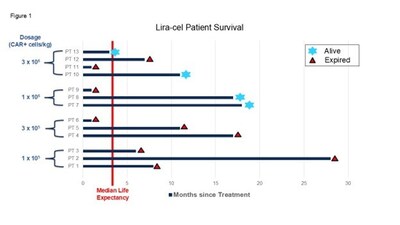
 copytele
5月前
copytele
5月前





 メールアドレスで登録